

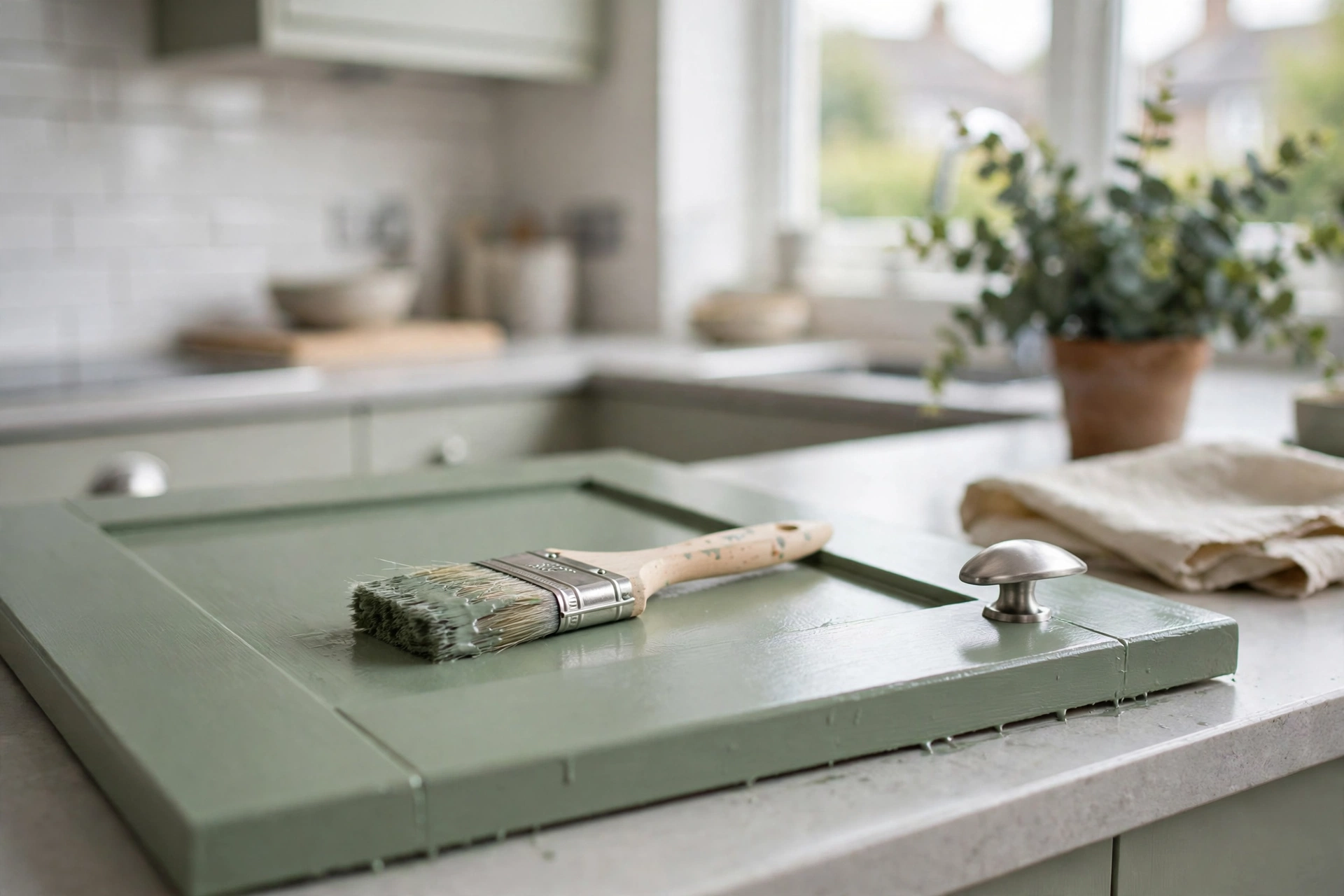
A fresh coat of cupboard paint can change a tired kitchen without the cost of new units. It works on doors, drawer fronts, wardrobes and even small bathroom and window jobs. First, you need the right paint and a little prep. Next, you need a steady method and enough drying time. This guide covers the full job, from cleaning and sanding to spray vs brush.
What Is Cupboard Paint?
Cupboard paint is a tough, hard-wearing paint made for furniture and kitchen units. It sticks to wood, MDF and painted surfaces, and it resists knocks, steam and daily cleaning. In fact, most tins for this job are water-based acrylics, which dry fast and smell far less than old oil-based paints. Also, thin coats keep the finish smooth, and doors feel hard once cured.
Which Surfaces Suit Cupboard Paint?
This paint suits bare wood, MDF, veneer and previously painted doors. It also works on laminate with a light sand and a primer made for slick surfaces. In short, the surface matters more than the brand. First, check for damage: fill chips and dents, then sand the filler smooth. Next, test a hidden patch if the surface feels glossy or waxy. Also, melamine and high-gloss doors need extra care, so do not skip primer on them. Finally, mask hinges and glass first.
Prep First: Clean, Degrease and Sand
Good prep makes the difference between paint that lasts and paint that peels. First, take the doors off their hinges and remove the handles. Next, wash every surface with warm water and sugar soap to lift grease. Grease hides near the hob, so wash twice if the cloth still looks dirty. Then rinse and let the doors dry fully.
Now sand lightly with fine-grit paper to give the paint a key — just dull the shine, not strip the door to bare wood. Also, wear a dust mask while you sand, and open a window for fresh air. If your home was built before 1992, test for lead paint first — a simple DIY test kit tells you in minutes. If the test is positive, stop and get professional advice. Finally, wipe away dust with a damp cloth and let the surface dry.
Do You Need a Primer?
Yes, in most cases. Primer helps paint grip smooth or stained surfaces, and it stops old stains from bleeding through. For example, use a stain-blocking primer over knots, water marks and dark colours, and a primer for slick surfaces on laminate and melamine. In fact, skipping primer is the most common reason paint peels off a cupboard door within months. One coat is usually enough; follow the tin. Next, sand the primer lightly once it dries, then wipe away the dust.
Cupboard Paint Types and Finishes
Most kitchen cabinet paint sold in the UK is a water-based acrylic made for furniture. It dries fast, smells mild, cleans up with water and comes in several finishes.
Matt paint gives a soft, flat look with almost no shine. It hides small bumps well, so it suits older doors and country-style kitchens. Satin sits in the middle: it has a gentle sheen and wipes clean more easily, so it suits busy family kitchens. Gloss is the shiniest and easiest to clean, but it shows every bump and brush mark. As a result, most people pick satin for kitchens and matt paint for wardrobes. First, test your finish on a hidden edge in daylight.
Cupboard Paint: Brush or Spray?
You can paint or spray kitchen cabinets, and both routes can give a great result. The choice comes down to time, space and finish.
A brush and a small foam roller suit most home jobs. They cost little, need no special kit and give good control on edges and panels. Also, a brush reaches corners a sprayer cannot. In short, brush work suits one or two doors and small touch-ups.
Kitchen cupboard spray paint gives the smoothest finish of all, with no brush marks. It suits a full kitchen set when you have space to work outside or in a garage. First, mask everything you do not want painted. Next, practise on a spare board until the spray feels even. Also, wear a respirator mask and open the doors for fresh air. As a result, spraying takes longer to set up but paints faster once you start. With no spare room, brush work is the safer choice.
How to Paint Kitchen Doors with Cupboard Paint
Kitchen door paint works best when you follow the same steps on every door. First, label each door and its hinges with tape so each one goes back in the right place. Next, lay the doors flat on trestles or a bench. Measure each door first, and check our cabinet sizes guide if you plan to swap handles too.
Take the Doors Off First
Work on one door at a time. Remove the hinges and handles, then put the screws in a labelled bag. Also, clean and sand each door as described above. Flat doors dry more evenly than doors left hanging.
Paint in Thin, Even Coats
Start with the back of the door, then do the front. Use thin coats and let each one dry fully before the next. Two or three thin coats beat one thick coat every time. Also, follow the tin for drying times, since they vary between products. Finally, leave the doors flat until the last coat feels hard.
Painting on Wardrobe with Cupboard Paint
Painting on wardrobe doors takes patience, but the method matches kitchens. First, empty the wardrobe and take the doors off if you can. Next, clean and sand the surface, then prime bare wood or stains. Also, matt paint suits wardrobes well, since bedrooms need less scrubbing than kitchens. In short, work in thin coats and let each one dry fully. Finally, wait until the paint cures before you push clothes back against the doors.
Cupboard Paint for Bathrooms: Bath Paint and Ceilings
Bathrooms need paint that copes with steam. Bath paint is made for damp rooms: it resists moisture and mould better than standard emulsion. Use it on walls and woodwork near the bath and shower.
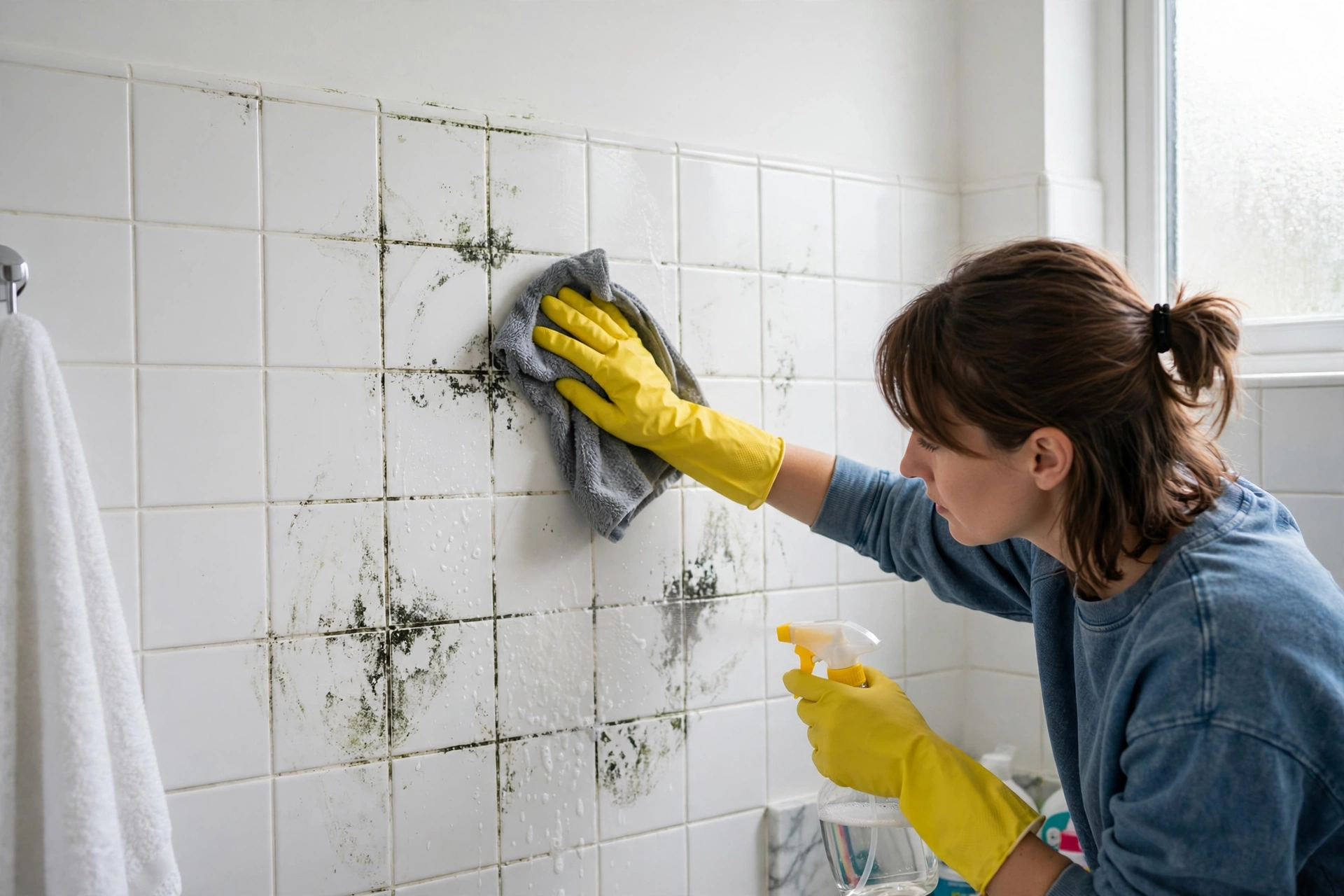
For the ceiling, paint for ceiling in bathroom use should be moisture-resistant too. Steam rises and sits on a cold ceiling, so normal ceiling paint can peel or spot. First, wash the ceiling to remove any mould. Next, let it dry fully, then prime any stains. Also, ventilate the room while you paint and for a few hours after. Keep the finish light and matt.
Window Paint: Small Job, Big Change
Window paint can refresh old frames without the cost of new windows. First, wash the frames and sand them lightly. Next, mask the glass with tape, leaving a tiny gap at the edge for a clean line. Also, use a paint made for wood or uPVC, as the tin directs. A small angled brush works best on thin frame edges. In short, paint in thin coats and peel the tape off while the last coat is still slightly wet. Finally, check the seal around the glass before winter.
Does Cupboard Paint Go Off?
Yes, paint goes off over time. So does paint go off in an unopened tin? It keeps for a few years in a cool, dry place, but not forever. Once opened, air and skin on the surface speed up the change.
First, check an old tin before you use it: stir it well and look for a thick skin, lumps or a sour smell. Next, test a small patch on spare wood — if it feels gritty or will not spread smoothly, do not use it. Also, store opened tins upside down with the lid tight, since this seals the rim and slows skinning. In short, buy fresh paint for a big job and keep old tins only for touch-ups.
Drying, Curing and Everyday Care
Paint dries fast but cures slowly. Touch-dry means the surface feels dry, yet the paint underneath still stays soft. Full curing can take days, so treat fresh doors gently at first. First, wait until the last coat feels hard before you refit handles. Next, avoid slamming doors for a week. Also, clean painted doors with a soft cloth and mild soapy water, never harsh scourers. As a result, the finish stays smooth for years.
When to Call a Professional
Most cupboard jobs suit a keen DIYer, but some need a pro. Call one if the doors are badly damaged, warped or covered in flaking lead paint. Also, call one for a full spray job with no spare space, since pro sprayers bring their own booth and kit. In fact, a professional can also match an unusual colour. First, get two or three quotes and ask to see past work. Next, agree the prep and finish in writing before the job starts.
FAQs
Can I paint cupboards without sanding?
You can, but the result rarely lasts. Sanding gives paint a key to grip. If you skip it, use a primer for slick surfaces and test a hidden patch first.
What is the best finish for kitchen cupboards?
Satin suits most kitchens: it wipes clean easily and hides small marks. Matt paint suits wardrobes, where the surface takes less wear.
Can I use cupboard paint on a bathroom ceiling?
Yes, when the tin says it suits damp rooms. Choose a moisture-resistant paint for ceiling in bathroom use, wash off mould first and ventilate while it dries.
How long does cupboard paint last?
A well-prepped job lasts for years. Clean, degrease, sand and prime, apply thin coats and let the paint cure fully before heavy use.
Does paint go off once opened?
Yes. An opened tin lasts months, not years. Stir it well, check for lumps or a sour smell, and test a small patch first.
A little prep goes a long way. First, pick the right paint for the room. Next, clean, sand and prime with care. Then paint in thin coats and let each one dry fully. The slow steps are the ones that make the finish last.



Leave a Reply