

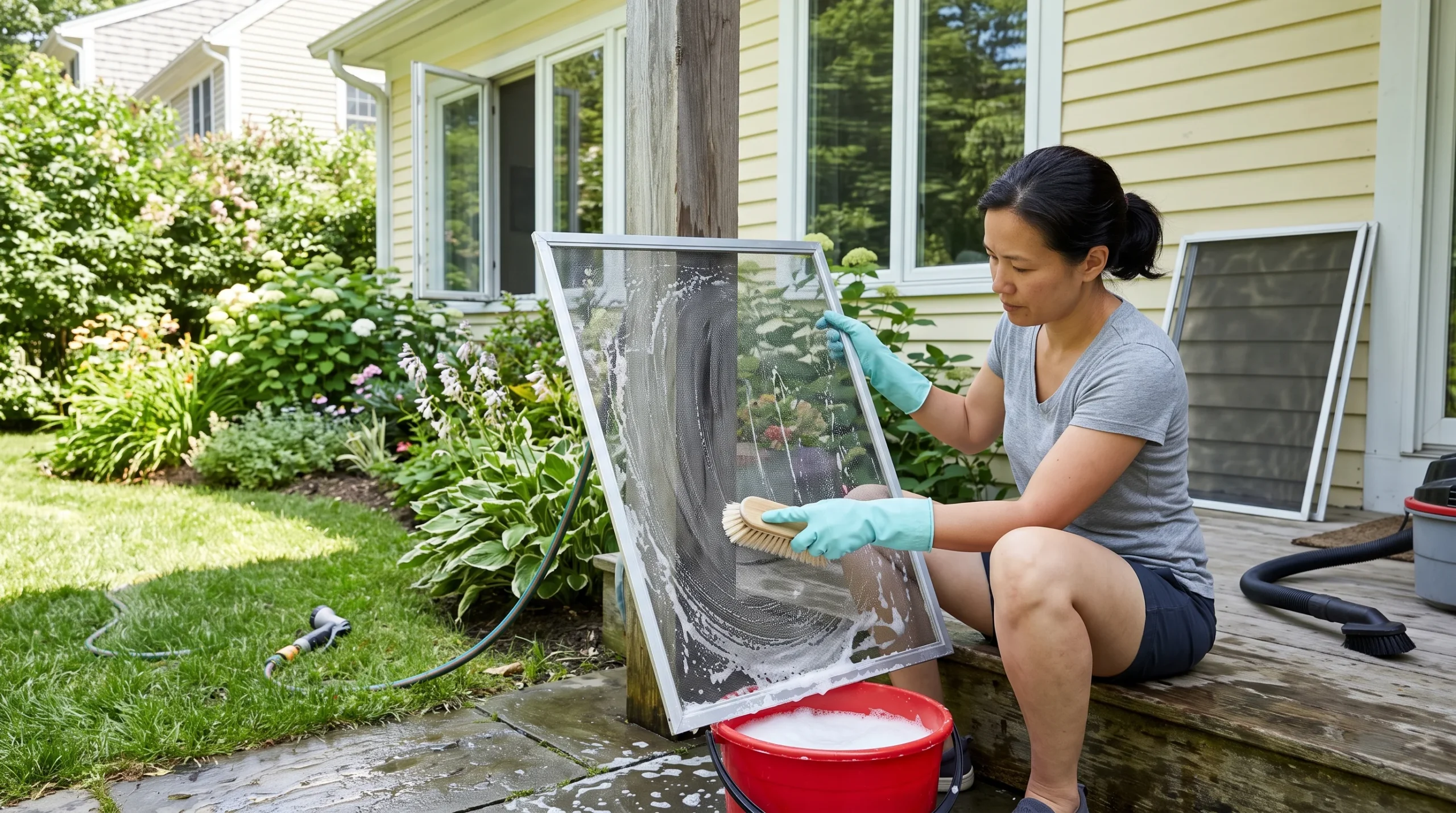
Fresh breezes make any room feel brighter, but dirty screens turn fresh air into an indoor dust storm. Over time, outdoor screens catch a heavy buildup of pollen, road grime, spiderwebs, and soot. When rain hits that layer of trapped debris, it turns into muddy streaks that obscure your view and stain your glass. Knowing how to clean window screens properly protects your home from airborne allergens and keeps your windows crystal clear.
Whether you live in a multi-story apartment or a suburban home with a big backyard, cleaning window screens does not require costly equipment or aggressive chemicals. This guide walks you through the best way to clean window screens using gentle household solutions, safe handling methods, and targeted care for both mesh and tracks.
Window Screen Material Check: Fiberglass vs. Aluminum Mesh
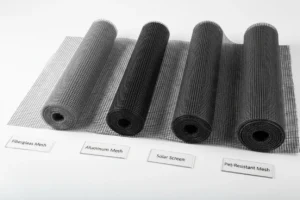
Before mixing your wash water, take a moment to look at your screens. Identifying your mesh type prevents costly damage during washing.
-
Fiberglass mesh: This is the most common screen material in modern homes. It is flexible, affordable, and rust-proof. However, fiberglass can stretch, snag, or tear if scrubbed with stiff bristles. If you are learning how to clean fiberglass screens, stick to gentle, circular motions and soft microfiber cloths.
-
Aluminum screen mesh: Metal screens are stronger against claws and pests, but they present a different challenge. Aluminum dents easily under pressure, and once bent or creased, the mesh cannot be smoothed flat again. Scrubbing metal too hard can also strip protective coatings, exposing the surface to weathering.
-
Solar and pet screens: These specialty screens feature a much thicker, heavy-duty weave designed to block heat or resist pet claws. They tolerate firmer brushing, but their dense weave traps dirt deep inside the pores, requiring a thorough, double-sided rinse.
Essential Tools and Homemade Cleaning Solutions
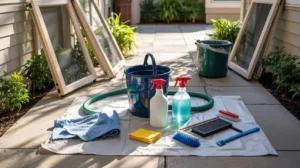
You do not need specialized store cleaners to get professional results. A simple homemade window screen cleaner made from basic household ingredients cuts through greasy grime without weakening your rubber splines or corroding aluminum frames.
Safe Cleaning Formulas
-
Mild dish soap solution (Best for routine maintenance): Mix one-fourth cup of mild liquid dish soap, such as Dawn, into one half-gallon of warm water. This gentle mix lifts airborne dust and outdoor pollution without leaving behind a cloudy soap scum.
-
Distilled white vinegar mix (Best for pollen, mold, and water spots): For dirty screens coated in yellow pollen or mildew, mix equal parts warm water and distilled white vinegar. Cleaning screens with vinegar cuts mineral stains and eliminates organic mold spores without harsh fumes.
Recommended Equipment Checklist
-
Soft bristle brush or microfiber wash mitt
-
Two large buckets (one for soapy wash water, one for clean rinsing water)
-
Garden hose with an adjustable multi-spray nozzle
-
Microfiber cloths and plush bath towels
-
Vacuum cleaner with an upholstery brush attachment
-
Painter’s tape and a permanent marker
-
Lint roller for quick touch-ups
What to Avoid
Never use a pressure washer on window screens. The intense water force instantly stretches the mesh, tears the weave, and blows the rubber spline completely out of its frame channel. Avoid ammonia, bleach, and harsh degreasers as well. These chemicals weaken fiberglass strands, dry out rubber splines, and corrode painted aluminum finishes.
Pre-Cleaning Prep: The Frame Labeling System
When removing multiple screens at once, homeowners frequently run into a frustrating trap: screens that look identical often differ by fractions of an inch. Forcing a screen into the wrong window frame bends the aluminum corners and snaps delicate plastic retention clips.
To avoid confusion, use a painter’s tape labeling system before taking anything down:
-
Tear off small strips of blue painter’s tape and stick one to the corner of each screen frame.
-
Label each piece clearly with the room name and window position (for example, “Living Room Left” or “Primary Bed North”).
-
Check the rubber spline, corner joints, and tension springs for cracks or tears before washing so you know which screens need repair rather than just a wash.
Method 1: The Outdoor Deep Clean (With Screens Removed)
If you have a yard, patio, or driveway, washing screens outdoors remains the gold standard for removing months of caked-on dirt.
Step 1: Safely Remove the Screens
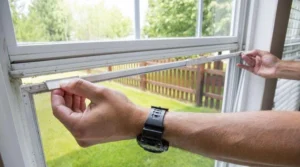
Locate the lift tabs or spring-loaded pins along the inside frame. Push up or sideways into the tension springs, tilt the frame slightly outward, and pull the screen gently free. Never force a stuck screen; ease it loose evenly along the edges.
Step 2: Dry Pre-Dust
Lean the screens against an exterior wall or fence over a clean drop cloth. Before applying any water, run a soft bristle brush or dry microfiber cloth over both sides. Dry dusting removes loose pollen and cobwebs so they do not turn into wet mud during the wash cycle.
Step 3: Gentle Scrubbing
Dip your soft bristle brush into your warm soapy water bucket. Scrub the screen gently from top to bottom using wide circular passes. Let the soapy water soak for two minutes on stubborn spots like bird droppings or dried insect spots.
Step 4: Low-Pressure Garden Hose Rinse
Set your garden hose nozzle to a gentle fan or shower setting. Spray the screens from top to bottom, washing all loosened dirt and soap residue down the mesh. Rinse both sides thoroughly to ensure no soap films dry into the tiny openings.
Step 5: Shake and Air Dry
Shake each screen lightly to displace standing water trapped in the grid. Lean them upright in a shaded, well-ventilated area to dry completely. Avoid direct, intense midday sun, which can bake mineral deposits onto the mesh before water evaporates.
Method 2: How to Clean Window Screens Without Removing Them
Taking screens down is not always practical. Apartment dwellers, renters, and homeowners with high second-story casement windows need an effective way to clean window screens without taking them down.
-
Protect your interior window sills: Lay two thick bath towels along the interior window sill and the floor directly beneath the window to catch drips, runoff, and dislodged dust.
-
Vacuum with a brush attachment: Fit your vacuum with a soft dusting brush. Starting at the top corner, sweep downward in slow, overlapping strokes. Avoid pressing hard, which can push the screen outward and stretch the mesh. Vacuuming first eliminates loose dirt so you do not smear sludge across the window opening.
-
Wipe down with a damp microfiber cloth: Submerge a microfiber cloth into your warm soapy water or vinegar mixture, then wring it out until it is barely damp. Wipe the mesh gently using light, steady strokes from top to bottom. Follow immediately with a second clean, water-dampened cloth to remove any residual soap.
-
Finish with a lint roller: Once the mesh is dry, run an adhesive lint roller across the interior side of the screen. The sticky surface grabs any remaining pet hair, dander, and fine pollen grains that wiping missed.
Method 3: The Bathtub and Shower Routine for Hose-Free Homes
If you live in an apartment without an outdoor hose, you can still deep-clean your removable screens using your bathroom:
-
Protect your porcelain tub: Lay an old bath towel flat across the bottom of your bathtub. This simple step prevents the metal frame corners from scratching your tub’s enamel or acrylic finish.
-
Set up the screens: Rest one or two screens upright against the tub wall.
-
Wash with a sponge: Use a soft car-washing sponge and mild soapy water to scrub both sides of the mesh thoroughly.
-
Rinse with a handheld showerhead: Use your handheld shower attachment on a gentle spray setting to rinse away soap from top to bottom. If you do not have a handheld wand, fill a clean pitcher with warm water to pour down the mesh.
-
Drip dry in the shower: Allow the screens to drip dry inside the tub for twenty minutes before wiping the frames down with a dry towel and returning them to their windows.
How to Clean Window Screens and Tracks Together
Washing your mesh is only half the battle. If your window tracks and sliding channels stay clogged with grit, the very first rainfall washes all that collected mud back onto your clean screen and lower glass pane.
Step 1: Loosen Compacted Grime
Open the window fully and use your vacuum’s narrow crevice tool to suck up dead bugs, dried leaves, and loose gravel from the track channels.
Step 2: Clear the Weep Holes
Look at the bottom exterior frame of your window. You will see small rectangular drainage slots called weep holes. Use an old toothbrush or a wooden toothpick to clear dirt out of these openings. Blocked weep holes trap water inside the tracks, promoting mold and causing moisture leaks into your drywall.
Step 3: Clean the Track Crevices
Sprinkle a light dusting of baking soda along the dirty tracks, then mist it with your 50/50 white vinegar solution. The mixture will bubble gently, loosening baked-on grime. After five minutes, scrub the corners using an old toothbrush, wipe the sludge clean with paper towels, and dry the tracks with a microfiber cloth.
Mistakes That Shorten Window Screen Lifespan
Protect your screens and avoid premature replacements by steering clear of these common maintenance mistakes:
-
Using abrasive scrubbing pads: Steel wool, abrasive scouring pads, and stiff deck brushes strip the protective outer coating from fiberglass strands and leave permanent scratches on aluminum frames.
-
Reinstalling screens while damp: Snapping damp screens back into place traps moisture against the wooden sills and window tracks, creating an ideal breeding ground for black mold and mildew.
-
Neglecting the rubber spline: The flexible black rubber cord holding your screen into its frame groove dries out over time. Avoid aggressive scrubbing along this perimeter groove so you do not pull the spline free from the tension channel.
Seasonal Maintenance Schedule
To keep your home filled with fresh air and clear views, follow this seasonal rhythm:
-
Spring: Perform an outdoor or bathtub wash to rinse away winter grime and salt air before opening windows for the season.
-
Mid-Summer: Run a dry microfiber cloth or vacuum brush over indoor screens to eliminate peak-season pollen, dust, and pet hair.
-
Fall: Conduct a thorough end-of-year wash to remove accumulated tree sap, leaf tannins, and dead insects before winter sets in.
Knowing how to clean window screens correctly keeps your home fresh, protects your indoor air quality, and extends the life of your window fixtures for years to come.
FAQs
How often should you wash your window screens?
For most homes, deep cleaning window screens once or twice a year is sufficient. However, if you live near an unpaved road, in a high-pollen region, or along the coast where salt spray accumulates, cleaning screens every three to four months prevents permanent staining and frame corrosion.
Can you clean window screens with a Magic Eraser?
You can use a melamine foam sponge on the painted metal frame, but avoid using it on the screen mesh itself. Melamine foam acts like ultra-fine sandpaper. Rubbing it across fiberglass or aluminum mesh wears down the threads, frays the protective coating, and creates weak points that tear easily.
What is the fastest way to clean window screens without taking them down?
The fastest indoor method is vacuuming both sides of the screen using a soft dusting brush attachment, followed by a quick pass with an adhesive lint roller. This lifts dry pollen, hair, and surface dust in less than two minutes without water or cleanup mess.
Will vinegar damage aluminum window frames?
Diluted distilled white vinegar mixed in a 50/50 ratio with water is safe for brief cleaning, provided you rinse it off completely. Never leave straight, undiluted vinegar sitting on bare aluminum for extended periods, as prolonged acid exposure can cause surface etching and discoloration over time.




Leave a Reply