

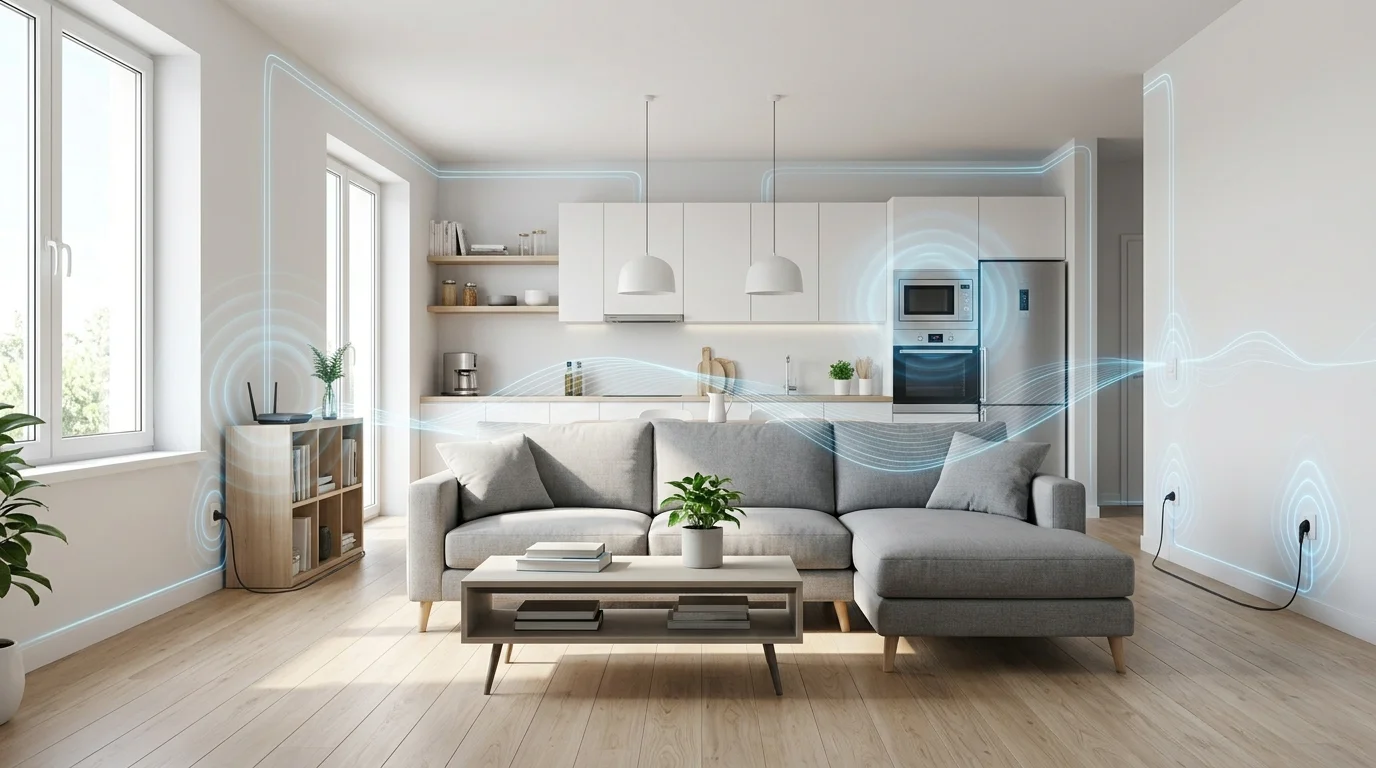
Many homeowners are becoming more aware of electromagnetic fields inside their homes. Some are concerned about electrical wiring behind walls, breaker boxes near bedrooms, smart meters outside the house, Wi-Fi routers, plugged-in appliances, or nearby power lines. If you searched for shielding household, you are probably trying to understand how to reduce EMF exposure at home without wasting money on random products or unsafe DIY fixes.
The truth is simple: effective home EMF protection starts with understanding the source. Not every EMF issue is the same. Household electric fields, magnetic fields, RF radiation, and dirty electricity behave differently, so they need different solutions.
This guide explains what household electric fields are, where they come from, how EMF shielding for home use works, when testing is needed, and which shielding methods make sense for bedrooms, offices, apartments, and existing homes.
What Are Household Electric Fields?
Household electric fields are low-frequency fields connected to voltage in electrical wiring, outlets, switches, power cords, and plugged-in devices. In most homes, these fields are linked to standard electrical systems operating at 50 Hz or 60 Hz, depending on the country.
Electric fields can exist even when a device is not turned on, as long as it is plugged into a live outlet. For example, a lamp beside a bed, a charger near a pillow, or wiring inside a wall may contribute to the electric field in a sleeping area.
In simple terms, shielding a household means reducing unnecessary exposure from household electric fields, magnetic fields, and wireless radiation by identifying the source and applying the right protection method.
Common sources of household electric fields include:
- Electrical wiring inside walls
- Power sockets and switches
- Extension cords
- Plugged-in appliances
- Bedside lamps and chargers
The goal is not to create fear. EMFs are part of modern homes. The goal is to understand exposure, reduce unnecessary sources, and use proper EMF shielding only when it is actually needed.
Electric Fields vs Magnetic Fields vs RF Radiation
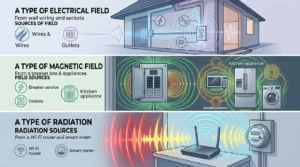
One major mistake many articles make is mixing all EMFs together. This creates confusion and leads homeowners to buy the wrong shielding material. There are three main field types to understand.
Electric Fields
Electric fields are usually linked to voltage. They can come from live wiring, sockets, switches, and plugged-in appliances. Electric field shielding often requires distance, unplugging, proper wiring, or grounded shielding materials. Common keywords related to this topic include household electric fields, power frequency electric fields, electric field shielding, and electric fields from wiring.
Magnetic Fields
Magnetic fields are linked to current flow. They often come from breaker boxes, transformers, motors, refrigerators, power lines, substations, and high-load appliances.
Magnetic field shielding is more difficult than electric field shielding. Standard shielding paint or fabric may not solve magnetic field problems. In many cases, distance and layout changes are more effective than DIY shielding.
RF Radiation
RF radiation comes from wireless devices and communication systems. Common sources include Wi-Fi routers, smart meters, Bluetooth devices, mobile phones, cordless phones, and cell towers. RF shielding may involve wired internet, router relocation, shielding paint, window film, metal mesh, or Faraday-style materials. However, RF shielding must be planned carefully because poor installation can reflect signals or create unexpected exposure patterns.
Dirty Electricity
Dirty electricity refers to electrical noise or unwanted high-frequency voltage patterns on wiring. It can come from dimmer switches, solar inverters, LED drivers, chargers, and some electronic devices. Dirty electricity is not the same as Wi-Fi radiation or basic household electric fields. It usually requires proper measurement and targeted filtering.
Where Do Household Electric Fields Come From?
Household EMF sources are often closer than people think. Many are hidden inside walls, floors, ceilings, and everyday devices.
Electrical Wiring
Electrical wiring runs behind walls and sometimes under floors or through ceilings. If wiring is close to a bed, desk, or sofa, it may contribute to electric field exposure in that area.
Sockets and Switches
Power sockets and switches are connected to live circuits. Even when no appliance is in use, these areas may produce measurable electric fields.
Plugged-In Appliances
Appliances can contribute to household electric fields when they are plugged in. This may include lamps, phone chargers, TVs, computers, extension cords, refrigerators, and kitchen appliances.
Walls, Floors, and Ceilings
Some homeowners assume walls block electric fields completely. That is not always true. Electric fields from household wiring may pass through building materials, especially when the source is close to the living area. This is why terms like electric fields from walls floors and ceilings, can walls emit electric fields, and electric fields from household wiring are useful long-tail keywords for this topic.
Breaker Boxes and Electrical Panels
Breaker boxes and electrical panels can be strong sources of magnetic fields and sometimes electric fields. A bedroom or office located near a breaker box may need measurement before any shielding decision is made.
Smart Meters, Wi-Fi Routers, and Cell Towers
Smart meters, Wi-Fi routers, and cell towers are more related to RF radiation than ordinary household electric fields. They require different testing tools and different shielding materials. This is why a complete EMF shielding for home strategy should separate electric field shielding, magnetic field shielding, and RF shielding.
EMF Measurement Basics for Homeowners
If you want accurate results, you need to measure the right field with the right tool. One meter cannot always measure every type of EMF properly.
Electric Field Meter
An electric field meter measures electric fields, often in volts per meter, written as V/m. This is useful for checking household electric fields near walls, sockets, cords, appliances, and sleeping areas.
Gauss Meter
A gauss meter measures magnetic fields, often in milligauss, written as mG, or microtesla, written as µT. This is useful near breaker boxes, refrigerators, transformers, electrical panels, motors, and power lines.
RF Meter
An RF meter measures radiofrequency radiation from wireless sources such as Wi-Fi routers, smart meters, mobile phones, Bluetooth devices, and cell towers.
Body Voltage Meter
A body voltage meter is sometimes used to assess electric field exposure around beds and sleeping areas. It can help identify whether nearby wiring, cords, or plugged-in devices are increasing electric field exposure while someone sleeps.
Grounding and Resistance Tester
Grounding and resistance testers help confirm whether grounding systems are safe and effective. This is important because many conductive shielding materials must be grounded correctly to work as intended.
Best Ways to Reduce Household Electric Fields Before Shielding
Before buying EMF shielding products, start with simple exposure reduction. These steps are often cheaper, safer, and easier than full shielding.
Increase Distance from Sources
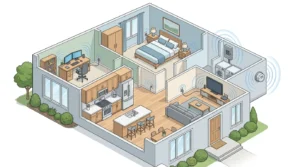
Distance is one of the simplest ways to reduce EMF exposure. Move beds, desks, and chairs away from electrical panels, routers, high-load appliances, and walls with heavy wiring.
Unplug Unnecessary Devices
Unplug chargers, lamps, extension cords, and electronics near sleeping areas when they are not needed. This can help reduce electric fields near the bed.
Move Beds Away from High-Wiring Walls
If a bed is against a wall with many outlets, switches, or wiring, move it to another wall if possible. This is one of the most practical ways to create a low EMF bedroom.
Use Wired Internet Where Practical
Wi-Fi is convenient, but wired internet can reduce wireless radiation in areas where people spend long hours, such as bedrooms, offices, and study areas.
Turn Off Wi-Fi at Night
Some households choose to turn off Wi-Fi at night. This is not always necessary, but it can be a simple way to reduce RF radiation during sleep.
Keep Phones Away from the Bed
Avoid sleeping with a phone under the pillow or beside the head. Use airplane mode when practical, or place the phone farther from the bed.
How EMF Shielding Works
EMF shielding works by reducing, redirecting, absorbing, or grounding electromagnetic fields. The method depends on the field type. Electric field shielding may use grounded conductive materials to reduce fields from wiring, cords, or walls.
RF shielding may use conductive paint, metal mesh, window film, or shielding fabric to reduce wireless signals from Wi-Fi, smart meters, or cell towers. Magnetic field shielding may require specialized materials or layout changes because magnetic fields are harder to block with common household materials.
This is why a one-product-fixes-all approach does not work. Shielding paint may help with some electric fields or RF radiation, but it may not solve a strong magnetic field from a breaker box. A smart shielding household strategy always matches the solution to the source.
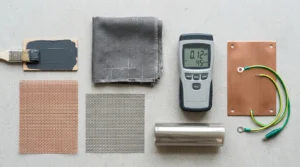
Best EMF Shielding Materials for Homes
There are several EMF shielding materials used in homes. Each has strengths, limits, and proper use cases.
Shielding Paint
Shielding paint is often used on walls, ceilings, and sometimes floors. It may help reduce RF radiation and certain electric fields when properly applied and grounded. Important point: many shielding paints need grounding. Without proper grounding, the result may be poor or unsafe.
Shielding Film
Shielding film can be used on windows, walls, or specific surfaces. It is often used when RF radiation is entering through windows or when a targeted surface needs protection.
Shielding Fabric
EMF shielding fabric may be used for curtains, canopies, wall coverings, or temporary solutions. It can be useful for renters because it does not always require permanent changes.
Copper and Aluminum
Copper and aluminum are conductive materials often used in shielding systems. They may help with electric fields and RF radiation, but they must be installed carefully.
Metal Mesh
Metal mesh can be used in walls, windows, or enclosures to reduce RF radiation. It may also be part of a Faraday-style shielding approach.
Magnetic Shielding Materials
Magnetic field shielding requires special materials and careful design. Common RF shielding products may not block magnetic fields well.
Faraday Fabric and Faraday Cage Concepts
A Faraday cage is an enclosure made with conductive material that reduces electromagnetic signals. In homes, Faraday-style concepts may appear in shielding curtains, fabrics, rooms, or enclosures. However, partial shielding must be planned carefully.
Room-by-Room Household EMF Shielding Guide
A room-by-room strategy makes EMF reduction more practical.
Bedroom
The bedroom should be the first priority because people spend many hours sleeping in one location.

Focus on:
- Low EMF bedroom setup
- Bed placement
- Body voltage reduction
- Phone distance
- Wi-Fi off at night if suitable
- Unplugged lamps and chargers
Long-tail keywords for this section include how to shield a bedroom from EMF, how to reduce body voltage while sleeping, best way to reduce EMF in bedroom, and low EMF bedroom.
Home Office
Home offices often contain computers, monitors, routers, chargers, extension cords, and Bluetooth devices.
Focus on:
- Wired internet
- Router distance
- Cable organization
- Turning off unused wireless devices
Kitchen
Kitchens contain refrigerators, microwaves, ovens, dishwashers, and many electrical appliances. Fridge EMF and appliance-related magnetic fields are common concerns. Focus on distance first. Shielding may not be necessary unless testing shows a clear issue.
Living Room
Living rooms often contain Wi-Fi routers, TVs, entertainment systems, smart speakers, and gaming devices.
Focus on:
- Router placement
- Wired connections where practical
- Avoiding long sitting periods near power strips
- Keeping Bluetooth devices away when not needed
Children’s Room
For children’s rooms, the goal should be simple and practical. Keep beds away from heavy wiring, avoid unnecessary electronics near the pillow, and reduce wireless devices during sleep. Do not create fear. Create a cleaner, simpler sleeping environment.
Utility Area
Utility areas may include breaker boxes, electrical panels, meters, routers, and major wiring. These areas should be measured before any major shielding work.
New Build vs Existing Home EMF Shielding
EMF shielding is easier to plan during construction, but existing homes can still be improved.
Shielding During Construction
If you are building or renovating a home, you can plan:
- Electrical panel location
- Bedroom wiring layout
- Smart meter placement
This is often more effective than fixing problems later.
Shielding an Existing Home
For existing homes, start with testing. Then use practical changes such as moving furniture, reducing plug-in devices, using wired internet, applying shielding paint, adding shielding film, or installing shielding fabric where needed.
Existing-home EMF shielding should always be based on measurement, not guesswork.
Professional EMF Assessment: When Should You Hire an Expert?
Professional EMF testing is worth considering when the source is complex, the readings are high, or electrical safety is involved.
You may need a professional EMF assessment if:
- Your bedroom is close to a breaker box
- A smart meter is mounted near a sleeping area
- You live near power lines or substations
- You want to install shielding paint
- You need grounded EMF shielding
- You are planning a low EMF home renovation
- You are unsure whether the issue is electric, magnetic, RF, or dirty electricity
A building biologist, EMF consultant, or qualified EMF inspection professional can map sources, measure field types, recommend solutions, and verify results after installation.
Is Household EMF Exposure Dangerous?
This topic needs balance. Fear-based content may get attention, but it does not build trust.
EMFs are present in normal modern homes. Exposure depends on field type, strength, frequency, distance, duration, and the sensitivity of the area where exposure happens. A brief exposure near an appliance is different from spending eight hours sleeping beside a high-field wall or electrical panel. For most homeowners, the best approach is practical reduction, not panic.
A balanced home EMF protection plan should:
- Identify the source
- Measure the field type
- Reduce exposure with simple changes first
- Use shielding only when needed
- Ground conductive materials safely
- Re-test after installation
This makes the article more useful than content that only sells EMF products or only explains technical theory.
Household EMF Shielding Checklist
Use this shielding household checklist before buying products or starting a project.
- Identify possible EMF sources in each room
- Check wiring, outlets, switches, appliances, routers, and breaker boxes
- Measure electric fields, magnetic fields, and RF radiation separately
- Prioritize bedrooms and workspaces
- Move beds and desks away from high-source areas
FAQs
What are household electric fields?
Household electric fields are low-frequency fields connected to voltage in wiring, outlets, switches, cords, and plugged-in appliances. They may be found near walls, floors, ceilings, and electrical devices.
Can walls emit electric fields?
Walls do not usually create electric fields by themselves, but wiring, outlets, switches, and conductive construction materials inside or behind walls may contribute to electric fields in nearby areas.
Does EMF shielding paint work?
EMF shielding paint may work for certain electric-field or RF-shielding applications, but it must be used correctly. Many shielding paints need grounding and should be tested after installation.
How do I reduce EMF in my bedroom?
Move the bed away from electrical panels and high-wiring walls, unplug nearby devices, keep phones away from the pillow, use airplane mode when practical, consider wired internet, and measure the sleeping area.
What materials block EMF radiation?
Common EMF shielding materials include shielding paint, shielding film, shielding fabric, copper mesh, aluminum, metal mesh, Faraday fabric, and specialized magnetic shielding materials. The right material depends on the type of field.
Conclusion
The best shielding household strategy is not about buying the strongest product first. It is about understanding the field type, finding the source, measuring exposure, reducing simple sources, choosing the right shielding material, grounding safely, and verifying the result.
Household electric fields, magnetic fields, RF radiation, and dirty electricity are different issues. Treating them as one problem leads to poor results. A smart home EMF protection plan separates them clearly and uses the right solution for each one.
If your goal is shielding from household electric fields, start with the areas where you spend the most time, especially bedrooms and home offices. Measure first, reduce what you can, shield only where needed, and use professional help when grounding, breaker boxes, smart meters, or complex wiring are involved.





Leave a Reply