

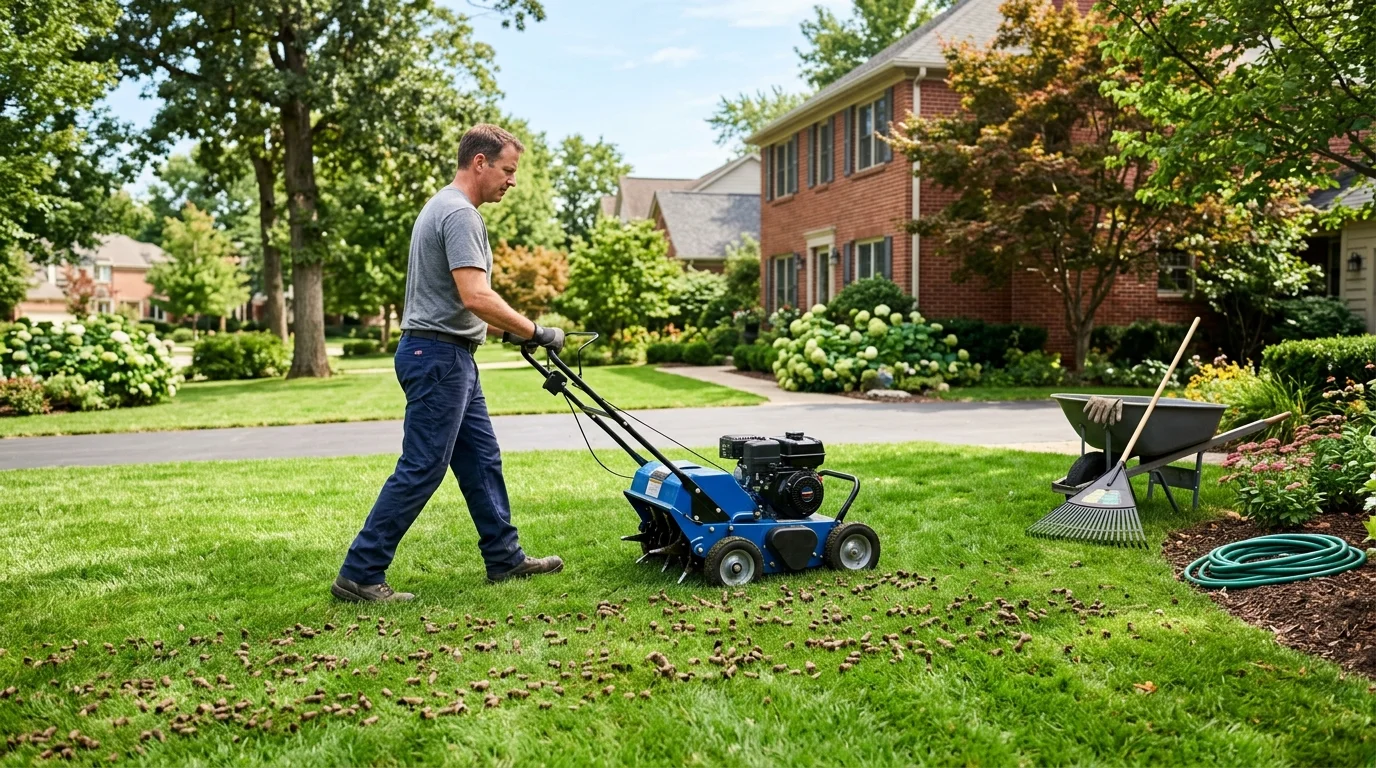
A lawn can look tired even when you water it, mow it, and fertilize it on schedule. The problem is often not the grass itself. It is the soil underneath. When soil becomes compacted, grass roots struggle to get the air, water, and nutrients they need. That is why learning how to aerate yard can make such a big difference for a weak, patchy, or slow-growing lawn.
Yard aeration is a simple lawn care method, but doing it at the right time and in the right way matters. This guide explains what aeration does, how to know if your lawn needs it, which aerator to use, how to prepare, what steps to follow, and how to care for the lawn afterward.
Quick Summary: The Best Way to Aerate a Yard
The best answer for how to aerate yard is to use a core aerator when the grass is actively growing and the soil is slightly moist. Mow the lawn first, water the yard the day before if the soil is dry, mark sprinkler heads and shallow lines, then run the aerator across the lawn in straight lines. For compacted areas, make a second pass in a different direction. Leave the soil plugs on the surface and water the lawn after aeration.
For thin lawns, aeration is also a great time to overseed. For stressed lawns, it can help fertilizer, compost, oxygen, and water reach the root zone more effectively.
What Is Yard Aeration?
Yard aeration is the process of opening small holes in the soil so grass roots can breathe and grow better. The most effective method is core aeration, also called plug aeration. A core aerator removes small plugs of soil from the lawn instead of simply poking holes into the ground.
These holes allow air, water, and nutrients to move deeper into the soil. This helps reduce soil compaction and gives roots more room to spread. A healthier root system usually leads to thicker grass, better color, improved drainage, and stronger lawn recovery after heat, foot traffic, or drought.
Aeration is not the same as mowing, watering, or fertilizing. It works below the surface, where many lawn problems begin.
How Aeration Helps Your Lawn
Reduces Soil Compaction
Soil compaction happens when soil particles are pressed tightly together. This can happen from walking, playing, pets, mowing equipment, construction activity, or heavy rain. When the soil is compacted, roots cannot grow freely. Water may run off instead of soaking in, and fertilizer may stay near the surface. Core aeration helps loosen compacted soil by removing plugs. This creates space for roots to expand and for the soil to absorb moisture more evenly.
Improves Airflow to Grass Roots
Grass roots need oxygen. When the soil is too dense, oxygen cannot move through it well. Aeration improves airflow in the root zone, which supports healthier root activity and stronger turf growth.
Helps Water Reach the Root Zone
If your lawn has standing water, runoff, or dry patches even after watering, compacted soil may be blocking water movement. Lawn aeration creates channels that help water soak deeper into the ground. This can improve drainage and reduce surface puddling.
Improves Nutrient Absorption
Fertilizer works better when nutrients can reach the roots. Aeration helps nutrients move past the surface and into the soil where grass can actually use them. This is one reason many homeowners fertilize after aerating.
Supports Thicker Grass Growth
When roots grow deeper and stronger, grass often becomes denser over time. Aeration will not fix every lawn problem overnight, but it creates better growing conditions for long-term lawn health.
Helps With Thatch and Surface Buildup
Thatch is a layer of dead grass, stems, and organic material that sits between the grass blades and soil surface. A thin layer is normal, but too much thatch can block water and nutrients. Aeration can help soil organisms break down thatch more naturally, although heavy thatch may require dethatching first.
Prepares the Lawn for Overseeding
Aeration and overseeding work well together. The holes created by aeration improve seed-to-soil contact, which helps new grass seed settle into the lawn. If your yard has bare spots or thin grass, overseeding after aeration can improve coverage.
Signs Your Yard Needs Aeration
Not every lawn needs aeration every year. Before renting a lawn aerator or starting a DIY lawn aeration project, look for clear signs that your yard is compacted or struggling.
Soil Feels Hard Underfoot
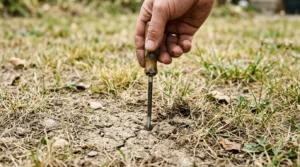
If the ground feels hard like packed clay, your grass roots may not have enough space to grow. A quick test is to push a screwdriver into the soil. If it is difficult to push in, the soil may be compacted.
Water Runs Off or Forms Puddles
Poor drainage is one of the most common signs of compacted soil. If water pools after rain or runs off when you irrigate, the soil may not be absorbing moisture properly.
Grass Is Thin, Brown, or Patchy
Patchy lawn areas can be caused by shade, pests, disease, poor soil, or watering problems. But if thin grass appears in high-traffic zones, compacted soil is likely part of the issue.
Lawn Feels Spongy
A spongy lawn may have a thick thatch layer. If the thatch is more than half an inch thick, dethatching may be needed before aeration.
Yard Gets Heavy Foot Traffic
Lawns used by children, pets, guests, or frequent foot traffic often compact faster than low-use lawns. Areas near patios, gates, walkways, play spaces, and driveways often need extra attention.
Lawn Was Recently Built, Sodded, or Landscaped
Construction and landscaping equipment can compact the soil. New sod can also have soil layering problems if the sod soil and existing soil are very different. Aeration may help once the lawn is established.
Grass Roots Are Shallow
Healthy grass should have a strong root system. If you pull a small section of grass and notice shallow roots, poor soil oxygen or compaction may be limiting growth.
Thatch Is More Than Half an Inch Thick
A thick thatch layer blocks water, fertilizer, and air. If thatch is heavy, dethatch first, then aerate so the soil can open up properly.
Best Time to Aerate a Yard
The best time to aerate depends on your grass type. The goal is to aerate when grass is actively growing, so it can recover quickly.
Cool-Season Grass Aeration Schedule
Cool-season grasses grow most strongly in cooler weather. These include Kentucky bluegrass, tall fescue, fine fescue, and perennial ryegrass. The best time to aerate cool-season grass is usually early fall. Fall gives the lawn time to recover, fill in, and build strong roots before winter. Spring aeration can work if the soil is severely compacted, but fall is usually better because weed pressure is lower.
Warm-Season Grass Aeration Schedule
Warm-season grasses grow best in warm weather. These include Bermudagrass, Zoysia grass, St. Augustinegrass, centipedegrass, and Bahia grass. The best time to aerate warm-season grass is late spring to early summer, when the lawn is growing actively. Avoid aerating too early before the grass has fully greened up.
Best Moisture Level for Aeration
Soil should be moist but not muddy. If the soil is too dry, the aerator may bounce and fail to pull good plugs. If the soil is too wet, the machine can make a mess and damage the lawn surface.
A good rule is to water the lawn one day before aeration if the soil is dry. If it rained recently and the ground is soft but not soggy, that may be a good time to aerate.
Aeration Tools Compared
Choosing the right lawn aerator matters. Some tools are useful for light work, while others are better for serious soil compaction.
Core Aerator or Plug Aerator
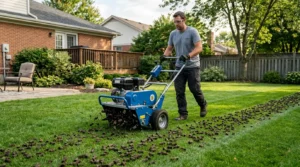
A core aerator removes small plugs from the soil. This is the best tool for most compacted yards because it creates real space in the soil. It improves airflow, water absorption, nutrient movement, and root growth. A plug aerator is especially helpful for clay soil, hard soil, high-traffic lawns, and lawns that need overseeding.
Spike Aerator
A spike aerator pokes holes into the ground without removing soil. It can help with very light surface aeration, but it is not the best choice for compacted clay soil. In some cases, spike aeration can press soil tighter around the holes.
Slice Aerator
A slice aerator cuts narrow slits into the lawn. It can be useful for light compaction or seeding, but it does not remove soil plugs like a core aerator.
Manual Core Aerator
A manual core aerator is a good choice for a small yard or a few compacted patches. It takes more effort, but it is affordable and simple to use.
Garden Fork
A garden fork can help loosen a tiny compacted area, such as a path near a gate or a small bare patch. It is not practical for a full lawn, but it can work when you need to aerate a yard without a machine.
Liquid Aerator
Liquid aerator products are sometimes used to improve soil structure. They may help mild soil issues, but they are not a true replacement for core aeration when the soil is heavily compacted.
Professional Aeration Machine
A professional aeration machine is best for large lawns, severe compaction, or homeowners who do not want to handle heavy rental equipment. Professional lawn aeration can also be useful if your yard has many slopes, sprinkler heads, or difficult areas.
Which Aerator Should You Choose for Your Yard Size?
Small Yard
For a small yard, a manual core aerator or garden fork may be enough. Focus on compacted zones instead of treating areas that are already healthy.
Medium Yard
For a medium lawn, renting a core aerator is usually the best DIY option. It saves time and gives better results than hand tools.
Large Yard
For a large lawn, a powered core aerator or professional lawn aeration service is usually more practical. Large lawns take longer, and heavy machines can be difficult to handle without experience.
Heavily Compacted Clay Yard
Use a core aerator. Clay soil compacts easily and usually needs real soil plugs removed. Compost topdressing after aeration can also help improve soil structure over time.
Lightly Compacted Sandy Yard
Sandy soil usually does not compact as severely as clay soil. Aerate only when needed, and focus on organic matter, watering habits, and consistent lawn care.
Before Aerating: Preparation Checklist
A good result starts before the aerator touches the grass.
Mow the Lawn
Mow before aeration so the machine can reach the soil more easily. Do not scalp the lawn. Just cut it to a normal manageable height for your grass type.
Water One Day Before
If the soil is dry, water the lawn the day before. Moist soil helps a core aerator pull clean plugs.
Rake Debris
Remove sticks, stones, toys, and leaves. Debris can block the aerator or create uneven holes.
Mark Sprinkler Heads
Use flags, small stakes, or markers to identify sprinkler heads. This step can prevent expensive damage.
Mark Utility Lines
If you know there are shallow irrigation lines, lighting wires, or other underground features, mark them before aerating. When in doubt, avoid those areas or call a professional.
Mark Tree Roots and Stumps
Do not force an aerator over exposed roots or hidden stumps. This can damage the machine and the tree.
Avoid Recently Seeded Areas
Young grass needs time to establish before aeration. Wait until the lawn is mature enough to handle stress.
How to Aerate a Yard Step by Step
Follow these steps for a clean and effective DIY lawn aeration job.
Step 1: Inspect the Yard
Walk across the lawn and identify compacted areas. Pay attention to paths, pet runs, play areas, shaded spots, and places where water collects.
Step 2: Mow the Grass
Mow the lawn one day before or on the same day before aerating. Shorter grass helps the aerator reach the soil and makes it easier to see obstacles.
Step 3: Water the Soil
Water the lawn one day before aeration if the soil is dry. Do not soak it until it becomes muddy.
Step 4: Prepare the Aerator
If you rent a core aerator, read the instructions before starting. These machines can be heavy. Start on a flat area and move slowly.
Step 5: Aerate the Yard in One Direction
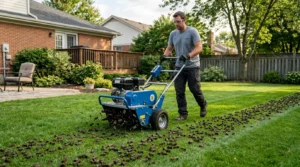
Run the aerator across the yard in straight lines, similar to mowing. Try to keep the passes even so the holes are spread across the lawn.
Step 6: Make a Second Pass
For compacted soil, make a second pass in a perpendicular direction. This gives better coverage and helps open more of the root zone.
Step 7: Focus Extra Passes on Compacted Zones
High-traffic areas often need more attention. Make extra passes near walkways, gates, driveways, play areas, and pet paths if the soil is hard.
Step 8: Leave Soil Plugs on the Surface
Do not remove soil plugs after aeration. They will break down naturally and return valuable soil and organic matter to the lawn.
How Deep and How Far Apart Should Aeration Holes Be?
Good aeration is not just about making random holes. Hole depth and spacing matter. For core aeration, the plugs are often around 2 to 4 inches deep, depending on the machine and soil condition. Deeper plugs usually help more with compacted soil. The holes should be close enough to improve the root zone, not scattered too far apart.
If your aerator is not pulling plugs, the soil may be too dry, the tines may be clogged, or the machine may not be heavy enough for the soil condition. Watering the day before can often improve plug removal.
Soil-Specific Aeration Plan
Clay Soil
Clay soil compacts easily and often benefits from regular core aeration. If your yard has compacted clay soil, aerate during the correct growing season and consider adding compost after aeration. Over time, organic matter can help improve soil structure.
Sandy Soil
Sandy soil drains quickly and usually compacts less than clay. Aeration may still help if the lawn has heavy traffic, but sandy lawns often need better watering practices and organic matter more than frequent aeration.
Newly Sodded Lawn
Do not aerate fresh sod too soon. Let it root into the soil first. If the lawn later shows signs of soil layering, shallow roots, or poor drainage, core aeration may help.
High-Traffic Lawn
A yard used by kids, pets, or frequent guests may need annual inspection. If high-traffic paths become hard and thin, core aeration can help repair the soil condition.
Aftercare: What to Do After Aerating a Yard
Aeration opens the soil, but aftercare turns that opportunity into real improvement.
Water Deeply
Water the lawn after aeration. Moisture helps the soil settle and supports root recovery. If you seeded, keep the surface moist but not flooded.
Leave Soil Plugs
Leave plugs on the lawn. They will dry, crumble, and blend back into the grass. This may look messy for a short time, but it is good for the lawn.
Overseed Thin Areas
If the lawn is thin or patchy, spread grass seed after aeration. This is one of the best times to improve lawn density.
FAQs
How do I know if my yard needs aeration?
Your yard may need aeration if the soil feels hard, water pools after rain, grass is thin, roots are shallow, or the lawn gets heavy foot traffic.
What is the best way to aerate a yard?
The best way is usually core aeration. A core aerator removes soil plugs and creates space for air, water, nutrients, and roots.
Should I water before aerating?
Yes, if the soil is dry. Watering the day before helps the aerator pull better plugs. Do not aerate muddy soil.
Should I remove soil plugs after aeration?
No. Leave the plugs on the lawn so they can break down naturally and return soil material to the surface.
Should I fertilize after aeration?
Fertilizing after aeration can help nutrients reach the roots. Use the right fertilizer for your grass type and growing season.
Can I aerate in summer?
Avoid aerating during extreme summer heat. Warm-season grasses can be aerated in late spring to early summer, but cool-season grasses usually do better with fall aeration.
Can I aerate after rain?
Yes, if the soil is moist but not muddy. If the yard is soggy, wait until it firms up.
Conclusion
The key to how to aerate yard is simple: choose the right season, use the right tool, prepare the lawn properly, and follow up with good aftercare. Core aeration is usually the best method for compacted soil because it removes plugs and gives roots more room to grow.
For the best results, mow first, water if the soil is dry, mark hidden obstacles, aerate in even passes, leave soil plugs on the lawn, then water and overseed or fertilize if needed. With the right timing and care, aeration can help your yard grow thicker, drain better, and stay healthier through the season.



Leave a Reply