

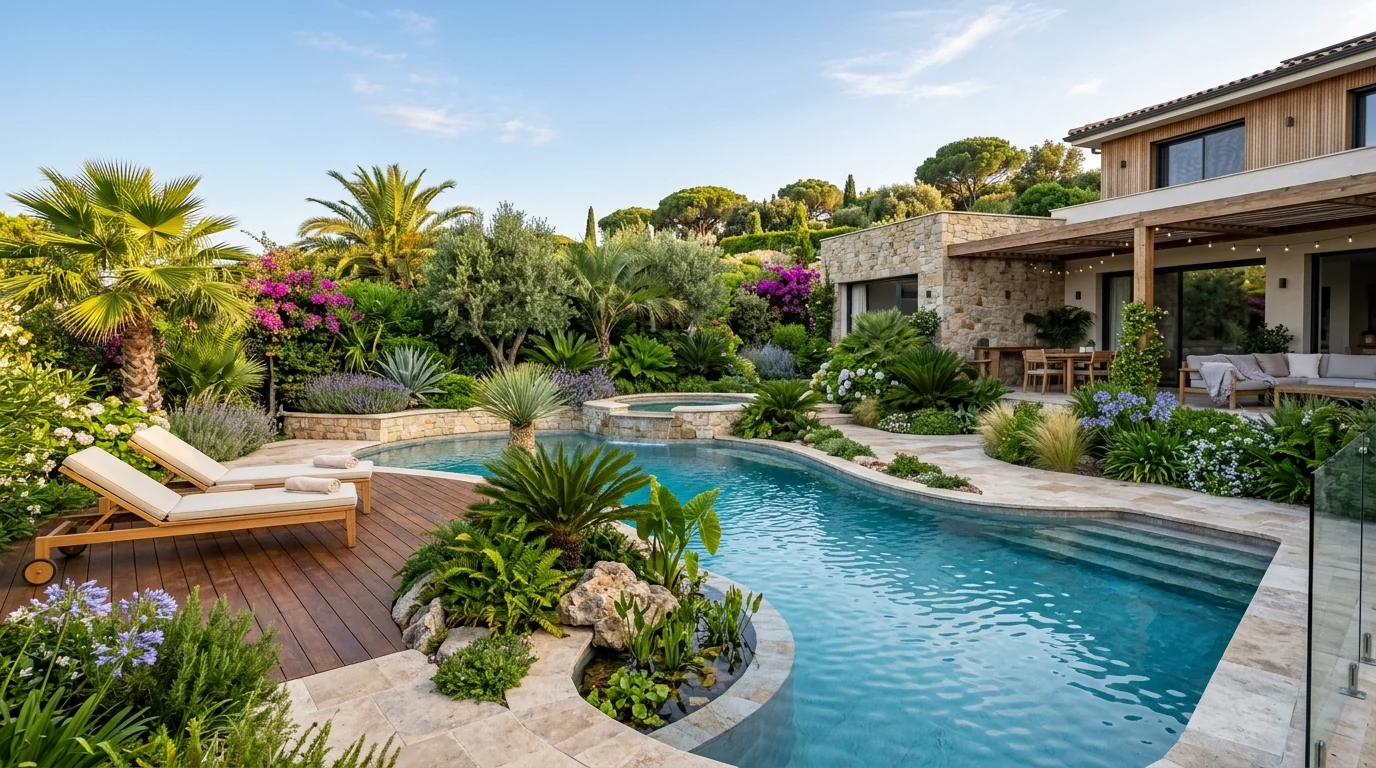
Transforming your outdoor space with living greenery around or inside water features creates a serene backyard oasis. Whether you want to landscape around an active swimming area, install a compact plunge pool in a small garden, or repurpose an old concrete shell into an edible sanctuary, building a garden in a pool offers endless creative potential.
Converting or landscaping these spaces requires balancing structural integrity, water chemistry, microclimates, and aesthetic appeal. Below is your complete, step-by-step blueprint to mastering every aspect of pool landscaping and full garden conversions.
1. Designing a Seamless Pool-to-Garden Landscape
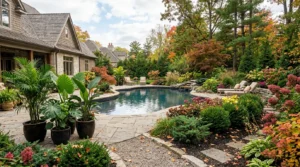
A well-designed backyard pool garden should feel like an organic extension of nature rather than a sterile concrete installation. Modern landscape architecture focuses on softening rigid edges through textural transitions, combining natural stone, timber decking, and diverse foliage to blend water features seamlessly into the surrounding terrain.
When integrating a garden in a pool layout, divide your outdoor space into clear functional zones. Establish transition buffers between active splash zones and sensitive perennial borders. Using naturalistic curves in your swimming pool surround ideas helps create a relaxed, Mediterranean pool landscape that feels cohesive year-round.
2. Best Plants for Poolside Gardens: Resilience and Function
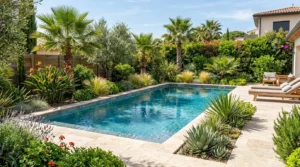
Selecting poolside plants requires choosing species that tolerate high ambient heat, intense sun reflection, and occasional splashes of sanitized water. Your plant palette must balance shade, privacy, and visual appeal while keeping pool maintenance low.
| Plant Category | Top Recommended Varieties | Primary Landscape Benefit | Splash Resistance |
| Shade Trees | Windmill Palm, Majesty Palm, Olive Tree | Casts cool shade with minimal leaf drop | Moderate |
| Privacy Screening | Emerald Green Arborvitae, Clumping Bamboo | Dense evergreen screening against neighbors | High |
| Architectural Grasses | Feather Reed Grass, Blue Fescue, Zebra Grass | Adds dynamic motion and softens hard pavers | High |
| Tropical Foliage | Bird of Paradise, Hardy Hibiscus, Agave | Vibrant floral colors and bold leaf shapes | Very High |
Trees for Poolside Shade
Select trees for poolside shade that do not shed constant seeds, needles, or flowers. Windmill palms and small citrus varieties in large planters provide canopy shade without leaving you tethered to a skimmer net every weekend.
Privacy Shrubs and Ornamental Grasses
To establish effective garden screening, apply a layered approach. Position low-growing succulents and perennial borders closest to the water, followed by ornamental grasses pool border arrangements, and finish with tall arborvitae along property boundaries. This layered privacy planting creates an insulated, resort-like retreat.
3. What to Avoid: Protecting Pool Structures and Water Quality
Knowing what not to plant is just as crucial as selecting the right flora. Poor plant selection can quickly lead to expensive plumbing repairs, clogged filters, and cloudy water.
-
Destructive Invasive Root Systems: Avoid weeping willows, poplars, ficus, and invasive running bamboo. Their aggressive roots seek moisture sources, easily cracking concrete shells, dislodging pool liners, and puncturing subterranean pipes.
-
High-Debris Foliage: Pine trees, flowering bougainvillea, and jacarandas drop excessive debris that alters chemical balance and overburdens pool vacuums.
-
Aggressive Pollinator Attractors: While biodiversity is vital, avoid placing heavy flowering bee-magnets directly beside steps and shallow lounging ledges to prevent accidental stings.
4. Swimming Pool Surround Materials and Splash Management
The hardscaping surrounding your pool dictates safety, water runoff management, and root health. Surfaces must withstand chlorine and saltwater splash without degrading or overheating under midday sun.
-
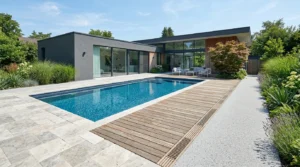
Permeable Resin-Bound Surfacing: A top recommendation for modern pool decks, resin-bound stone allows excess water to drain naturally into the ground rather than creating standing puddles or washing pool chemicals directly into adjacent garden soil.
-
Natural Stone Pavers: Travertine and limestone stay cool underfoot, providing a classic non-slip surface around garden pool areas.
-
Timber Decking: Natural hardwood and premium composite boards introduce warmth and texture, acting as an elevated transition bridge between wet pool decks and natural soil beds.
5. Small Garden Solutions: Plunge Pools and Container Gardening
Homeowners with limited square footage do not need to choose between a cool water retreat and a lush backyard garden. Incorporating a plunge pool in a small garden delivers luxury relaxation within a compact footprint of 3.5m by 2.5m.
To optimize tight spaces, pair a freestanding plunge pool with mobile container gardening. Apply the thriller-spiller-filler container technique in large terracotta pots:
-
Thriller: An upright focal point such as an architectural upright palm or Bird of Paradise.
-
Spiller: Trailing plants like silver falls dichondra or sweet potato vine cascading over pot rims.
-
Filler: Compact flowering annuals or caladiums adding lush color at the base.
These portable planters allow you to adjust sun exposure seasonally and shield delicate tropical plants from harsh winter temperatures.
6. Converting an Unused Pool into a Garden (Step-by-Step DIY Guide)
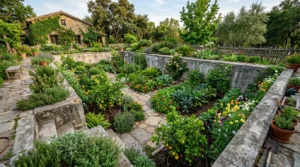
When swimming pool maintenance becomes unsustainable, converting the basin into a fertile sunken garden or urban homestead is a cost-effective, eco-friendly alternative to full demolition. Designing a functional garden in a pool basin requires careful planning to ensure proper drainage and soil aeration.
Step 1: Punching Drainage Holes and Hydrostatic Relief
Concrete and fiberglass pool shells are engineered strictly to hold water. If you fill an unmodified pool with dirt, it turns into a stagnant swamp.
-
Rent a heavy-duty demolition hammer or core drill.
-
Punch holes measuring 6 to 12 inches in diameter through the bottom slab every 3 to 4 feet.
-
Knock out hydrostatic relief valves in the deep end to ensure subterranean ground moisture flows freely through the base.
Step 2: Layered Backfilling Using the Hugelkultur Method
Purchasing dozens of cubic yards of premium topsoil to fill a deep end is unnecessary and expensive. Instead, utilize the layered hugelkultur technique:
-
Base Drainage Bed (12 to 18 Inches): Fill the bottom with crushed rubble, coarse river rock, or broken concrete pieces to create a permanent drainage basin. Cover this with heavy-duty geotextile landscape fabric to stop soil from clogging the rock layer.
-
Hugelkultur Core (2 to 4 Feet): Stack seasoned hardwood logs, fallen tree limbs, dry leaves, and wood chips. As this wood slowly decomposes over years, it acts as a sponge, retaining moisture, building beneficial fungi, and releasing steady nutrients to plant roots.
-
Planting Horizon (Top 18 to 24 Inches): Cap the Hugelkultur layers with a balanced mix of 50% screened topsoil, 30% organic compost, and 20% aged manure or vermiculite.
Step 3: Planting the Sunken Basin Microclimate
A sunken garden in a pool basin creates a unique, protected microclimate. The tall concrete side walls absorb solar heat during sunny afternoons and slowly radiate it back at night, protecting tender plants from wind and early frosts.
-
Deep ends are ideal for deep-root fruit trees, dwarf citrus, and root vegetables.
-
Shallow ledges work exceptionally well for herbs, berry bushes, and leafy greens.
7. Natural Swimming Pools and Biological Regeneration Zones
For those who want to swim without synthetic chemicals, establishing a natural pool provides crystal-clear water using live biological filtration.
In this layout, the pool is split into two connected sectors: a dedicated swimming zone and a shallow botanical regeneration zone. Water circulates continuously through a gravel bed planted with native aquatic reeds, water lilies, and bog irises. The root systems absorb excess nitrates and phosphorus, starving out algae and producing pure, natural water without chlorine or algaecides.
8. Budget DIY Conversion: Kiddie Pool Raised Garden Beds
If you want the benefits of a garden in a pool without modifying an in-ground structure, repurposing hard plastic children’s wading pools is an affordable weekend DIY project.
-
Flip the plastic pool upside down and drill 1/2-inch drainage holes spaced 6 inches apart across the entire base.
-
Elevate the pool slightly on wooden pallets or cinder blocks to guarantee unobstructed water drainage underneath.
-
Line the interior bottom with porous landscape fabric to hold the soil in place.
-
Fill with a lightweight potting mix enriched with perlite and compost.
These wide, shallow wading pools make productive raised beds for shallow-root vegetables such as radishes, lettuces, strawberries, bush beans, and kitchen herb gardens.
9. Year-Round Maintenance, Winterization, and Care
Preserving a healthy garden in a pool requires tailored seasonal care routines.
-
Spring Soil Revival: Replenish topsoil in converted basins with a fresh 2-inch layer of organic compost to replace settled biomass from decomposing Hugelkultur layers.
-
Summer Splash Management: Periodically rinse poolside garden beds with fresh hose water to prevent chlorine salts from accumulating around root zones.
-
Autumn Debris Clearance: Net falling leaves before they sink into natural regeneration zones or blow into container planters.
-
Winter Protection: Wrap sensitive potted palms and tropical poolside containers in breathable burlap or relocate them into protected patios during hard freeze advisories.
FAQs
Do you need building permits to convert a swimming pool into a garden?
Yes, in many municipalities, altering an in-ground swimming pool requires a demolition or backfill permit. Local building codes frequently specify structural hole requirements in the basin floor to prevent water collection and avoid future sinkhole risks. Check with your local city planning office before beginning work.
How much dirt is required to fill a swimming pool?
A standard residential inground pool (15×30 feet with an average depth of 5 feet) holds approximately 80 to 90 cubic yards of fill material. Utilizing the Hugelkultur method with logs and drainage gravel significantly lowers the volume and cost of purchased topsoil.
How do you prevent converted pool gardens from flooding?
Effective drainage relies on fracturing the concrete base slab with demolition hammers, knocking out hydrostatic valves, and installing a bottom layer of coarse gravel with geotextile fabric. In high-water-table zones, placing a perforated French drain pipe directed away from the basin prevents water accumulation.
Can chlorine water kill surrounding garden plants?
Occasional light splashes of properly balanced pool water generally will not harm mature plants. However, frequent splashing or draining chlorinated backwash directly into garden beds alters soil pH and damages sensitive root hairs. Choose salt- and splash-tolerant varieties for borders within three feet of the water’s edge.
Whether your goal is framing an active pool with lush privacy hedges or completely transforming an old basin into a self-sustaining urban homestead, building a garden in a pool delivers a stunning, productive outdoor sanctuary. Focus on healthy drainage, choose climate-resilient plants, and enjoy a vibrant backyard feature that evolves beautifully across every season.

Leave a Reply