

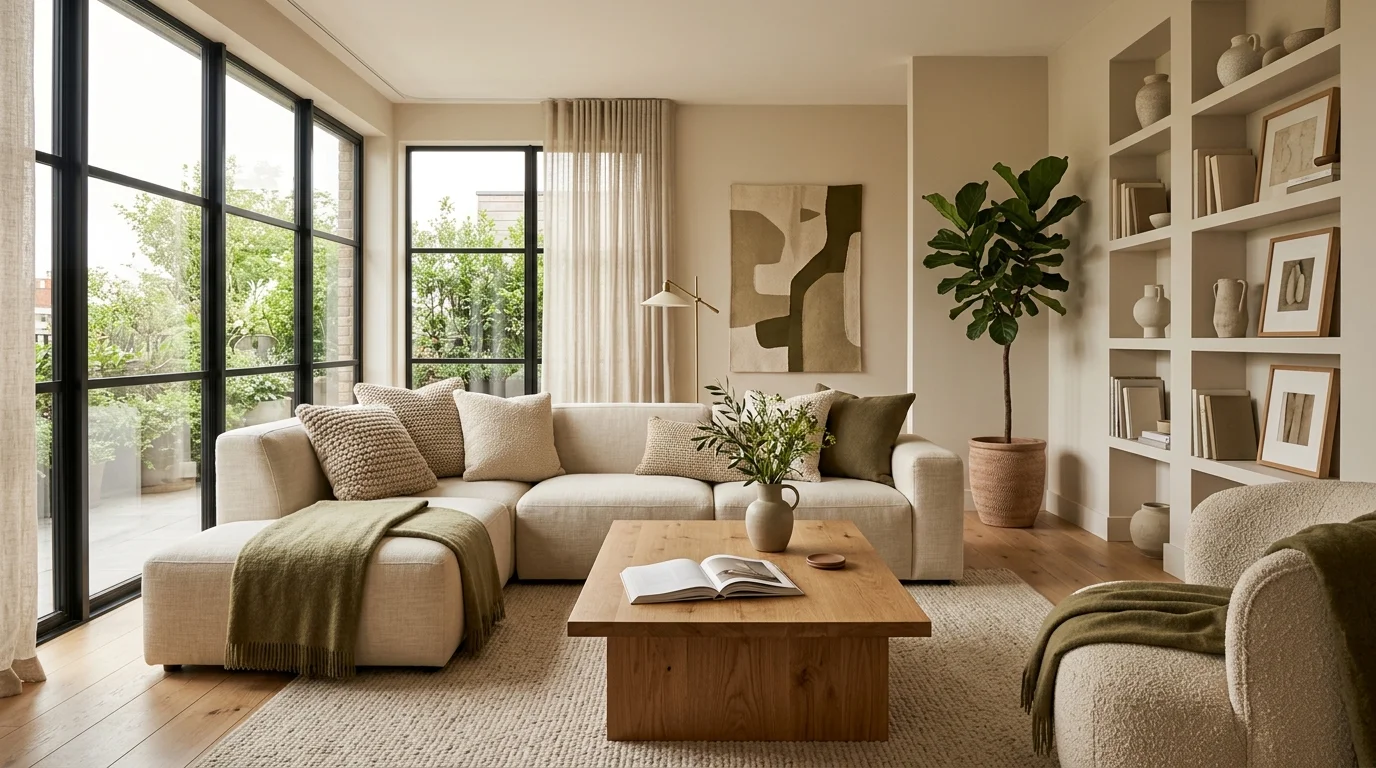
Choosing the right living room ideas and colors has become more important than ever as homes now serve multiple purposes, including relaxation, work, and social gatherings. Modern interior design is no longer just about decoration. It is about creating a lifestyle environment that feels comfortable, functional, and emotionally balanced.
In recent years, homeowners have shifted from cold minimalism to warmer, more natural aesthetics. Earthy tones, soft neutrals, and nature-inspired palettes are now leading the way in interior design color trends. These choices not only improve visual appeal but also enhance comfort and emotional well-being. The growing interest in living room ideas and colors reflects a desire for homes to feel more personal and meaningful, rather than just visually perfect.
2026 Living Room Color Trends You Should Know
Modern design trends are moving toward natural harmony and soft visual balance. The most popular palettes include warm neutrals like beige, cream, taupe, and sand. These shades create a calm foundation that works well with almost any furniture style. Earth-inspired tones such as terracotta, clay, and muted brown are also becoming increasingly popular. These colors bring depth and warmth to interior spaces and are widely used in modern living room design.
Soft greens like sage and olive are dominating contemporary interiors because they connect indoor spaces with nature. Similarly, dusty blues are being used to create a relaxing and airy atmosphere. These trends show that living room ideas and colors in 2026 are focused on comfort, nature, and emotional balance rather than bold artificial contrast.
Color Psychology in Living Room Design
Color psychology plays a major role in shaping how a living room feels. Every shade creates a different emotional response, which is why understanding it is essential when planning living room ideas and colors. Warm tones such as beige and terracotta create feelings of comfort and stability. They are ideal for family-focused spaces where relaxation is important. Green shades are linked to balance and calmness, making them perfect for stress-relief environments.
Blue tones promote relaxation and peace, which works well in modern minimalist homes. Neutral shades like white and grey provide a timeless base that allows flexibility in decor and furniture styling. Understanding color psychology helps homeowners make smarter choices when selecting living room color schemes that match both lifestyle and personality.
How to Choose the Right Living Room Color Step by Step
Selecting the perfect palette for living room ideas and colors requires a structured approach rather than random selection. Start by analyzing natural lighting in the room. Bright rooms can handle deeper tones while darker spaces benefit from lighter shades. Next, consider the size of the room because lighter colors help small spaces feel larger and more open. The third step is building a base and accent system. Choose one main neutral tone and then add complementary shades for depth. After that, match your furniture carefully to avoid color conflict between walls, sofas, and decor elements. Finally, always test color samples under different lighting conditions before making a final decision. This ensures that your living room color combinations look consistent throughout the day.
Best Living Room Color Combinations for Modern Homes
One of the most important aspects of living room ideas and colors is choosing combinations that feel balanced and visually appealing. Beige combined with olive green creates a natural and calming environment. White paired with warm wooden tones delivers a clean and organic aesthetic that is highly popular in modern living room design.
Grey combined with soft teal adds a subtle modern contrast without overwhelming the space. Cream paired with terracotta creates a warm and inviting atmosphere that feels both stylish and comfortable. For luxury interiors, navy blue combined with gold accents brings a sophisticated and elegant finish to any living room design.
Living Room Ideas Based on Interior Styles
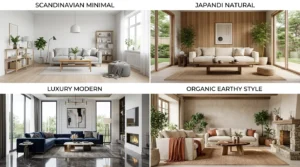
Different interior styles require different approaches to living room ideas and colors. Minimalist warm interiors use soft neutrals and clean layouts to create simplicity without feeling empty. Scandinavian-inspired designs rely on light tones combined with natural wood textures to maintain brightness and comfort. Modern luxury living rooms often include deep accent colors combined with metallic finishes for a premium look. Organic interior design focuses on natural tones, soft textures, and earthy palettes to create harmony with nature. Japandi style blends Japanese and Scandinavian design principles using muted colors and balanced simplicity. Each style shows how flexible living room ideas and colors can be when applied correctly.
Accent Wall Ideas That Transform Your Living Room
Accent walls are a powerful way to enhance living room ideas and colors without redesigning the entire space. Deep tones like forest green or charcoal create strong focal points that add depth to the room. Textured paint finishes also bring dimension and uniqueness to walls.
Geometric patterns are becoming popular in modern interiors because they add creativity without overwhelming the space. Natural materials like wood or stone-inspired finishes create a warm and organic feel. Accent walls are especially useful in modern living room ideas where homeowners want a bold statement without changing the entire color scheme.
Lighting Impact on Living Room Colors
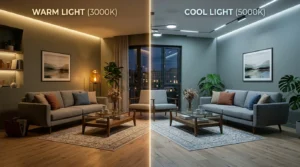
Lighting has a major influence on how living room ideas and colors appear in real life. The same paint color can look completely different depending on lighting conditions. Warm lighting enhances earthy tones and creates a cozy atmosphere. Cool lighting works better with modern minimalist interiors and neutral palettes.
Natural light brings out the true tone of colors, but it also changes throughout the day. This is why designers always test living room color combinations under different lighting conditions before finalizing a design. Proper lighting design ensures that your chosen color palette maintains consistency and visual harmony.
Furniture and Color Coordination Guide
A well designed living room depends on how furniture interacts with wall colors and decor elements. Sofa color selection is especially important because it often becomes the visual anchor of the room. Neutral sofas work well with bold wall colors while colored sofas require more balanced wall tones. Rugs should complement both wall and furniture shades to maintain harmony in the space.
Wooden furniture pairs beautifully with earthy palettes while metallic finishes enhance modern luxury interiors. Curtains should always support the main color scheme rather than compete with it. This coordination is essential for creating successful living room ideas and colors that feel complete and balanced.
Small Living Room Color Ideas for Space Enhancement
Small spaces require careful planning when applying living room ideas and colors. Light tones such as white, cream, and soft beige help create the illusion of a larger space. Monochromatic color schemes work particularly well because they reduce visual clutter. Mirrors combined with light wall colors can significantly enhance spatial perception.
Avoid using too many dark shades in compact rooms because they can make the space feel smaller and enclosed. Instead, focus on soft contrast and minimal design elements. These techniques ensure that even small spaces feel open, airy, and comfortable.
Common Mistakes in Living Room Color Selection
Many homeowners struggle with living room ideas and colors due to common design mistakes. One of the biggest mistakes is using too many competing colors, which creates visual confusion. Ignoring undertones can also lead to mismatched furniture and wall combinations. Another issue is choosing overly dark shades in rooms that lack natural light. Poor contrast between furniture and walls can make the space feel flat and unbalanced. Avoiding these mistakes ensures a more professional and visually appealing interior design outcome.
Sustainable and Eco-Friendly Living Room Colors
Modern design trends are increasingly focused on sustainability. Eco-friendly paint options are becoming more popular in interior design color trends due to health and environmental benefits. Low VOC paints reduce harmful emissions and improve indoor air quality. Natural pigment-based colors are also gaining attention for their organic appeal. Sustainable design choices not only improve living spaces but also contribute to long-term environmental responsibility. This approach adds a modern and conscious layer to living room ideas and colors.
AI and Digital Tools for Living Room Design
Technology is changing how people plan living room ideas and colors. AI-based interior design tools now allow users to visualize color combinations before applying them. Virtual room planning applications help experiment with different palettes without physical painting. Smart design tools can also suggest optimized color combinations based on lighting and room size. These digital solutions make interior planning more accessible and accurate, helping homeowners make better design decisions with confidence.
Conclusion
Designing a beautiful living room is about more than choosing colors. It is about understanding mood, space, lighting, and lifestyle. The right living room ideas and colors can transform any space into a comfortable and visually balanced environment. By combining color psychology, modern trends, and practical design techniques, homeowners can create interiors that feel both stylish and meaningful. A thoughtful approach ensures long-lasting visual harmony and personal satisfaction in every living space.

Leave a Reply