

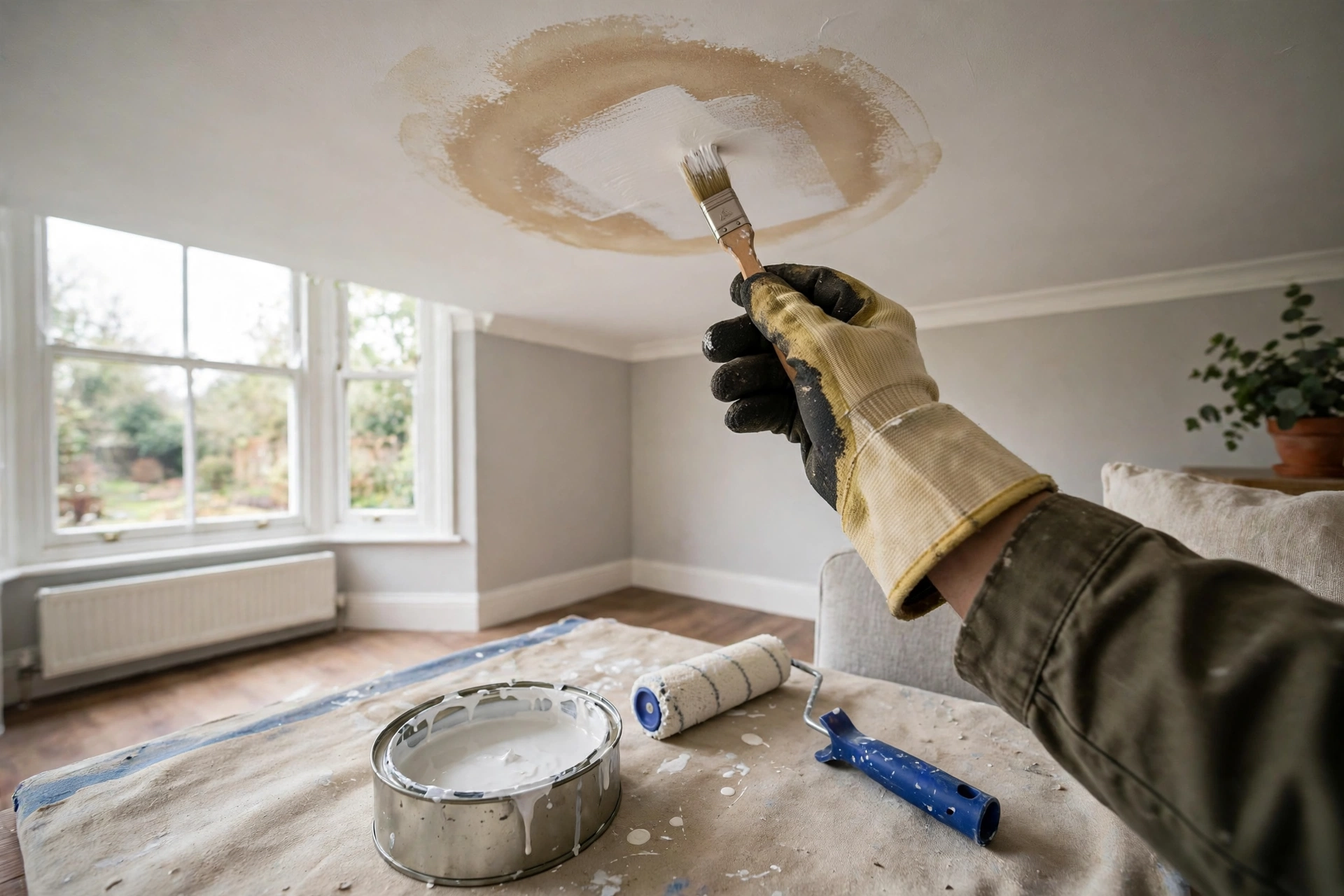
Stain block paint is a heavily pigmented primer-sealer. As a result, it locks a stain behind a barrier so it cannot bleed through the topcoat. For example, use it when a water mark, nicotine stain, knot or smoke mark keeps showing through ordinary paint. One coat usually seals a light stain, while heavy stains need two.
Overall, this guide covers the types, the method, UK costs, and common mistakes.
What Is Stain Block Paint?
In fact, ordinary emulsion cannot hide a stain that dissolves in water. For example, a water mark, a nicotine film or a smoke stain soaks into wet paint and shows through. However, stain block paint stops that cycle. As a result, the topcoat stays clean.
The rule is simple: match the blocker to the opposite base of the stain. First, a solvent or shellac blocker seals water-based stains and nicotine. Secondly, a water-based blocker suits solvent-based marks such as crayon and pen. When you cannot tell what the stain is, shellac is the safe choice, since it blocks both types. It also works as a primer.
Stain Block Paint vs Ordinary Primer
In general, an ordinary primer helps paint grip a clean surface, but it does not seal stains. A stain blocker paint does both jobs at once: it primes the surface and locks the stain behind it. A paint primer stain blocker suits stained walls and ceilings where a plain primer would let the mark return.
For instance, use ordinary primer on clean bare wood or fresh plaster. Use a stain blocking paint and primer where a mark already shows. The extra cost buys a seal that ordinary primer cannot give. For example, a water stain needs a blocker, while a clean new wall needs primer only.
Shellac vs Oil-Based vs Water-Based Stain Block Paint
Overall, three types cover almost every stain in a UK home. First, shellac dries fastest and blocks the worst stains. Secondly, oil-based blockers suit water marks and nicotine at a lower price. Finally, water-based blockers smell least.
| Type | Drying time | Smell | Best for | Weakest on |
|---|---|---|---|---|
| Shellac | 15–45 min | Strong; meths | Nicotine, smoke, knots, smells | Dearest |
| Oil-based | 2–4 hrs | Strong; spirit | Water stains, nicotine, grease | Slow; ventilate |
| Water-based | 1–2 hrs | Low; soapy water | Light stains, crayon, pen | Heavy nicotine |
Shellac is the strongest of the three. It seals nicotine, smoke, knots and smells in one coat, and it dries in under an hour. It also seals in smells from smoke and pets. However, it costs the most per litre and smells strongly while wet. Oil-based stain block paint costs far less and handles water stains well, yet it dries slowly and needs good ventilation. Water-based types suit light stains and quick jobs, but they can fail on heavy nicotine. In conclusion, choose by the stain, not by the price.
Which Stain Needs Which Blocker?
First, pick the right type for your stain from this table. Topcoat with emulsion once dry, usually after 1–2 hours; wait 3 days before a solvent topcoat. Always fix the cause first.
| Stain | Best blocker | Coats | Dry |
|---|---|---|---|
| Water stain | Shellac / oil | 1 | 15 min–4 hrs |
| Nicotine | Shellac | 2 | 15–45 min |
| Smoke and soot | Shellac | 2 | 15–45 min |
| Mould stain | Shellac / oil | 1–2 | 15 min–4 hrs |
| Damp stain, dry wall | Oil-based | 1–2 | 2–4 hrs |
| Grease | Oil / shellac | 1 | 15 min–4 hrs |
| Knots and tannin | Shellac | 2 | 15–45 min |
| Crayon and pen | Water-based | 1 | 1–2 hrs |
| Rust | Oil-based | 1–2 | 2–4 hrs |
| Tar | Shellac | 1–2 | 15–45 min |
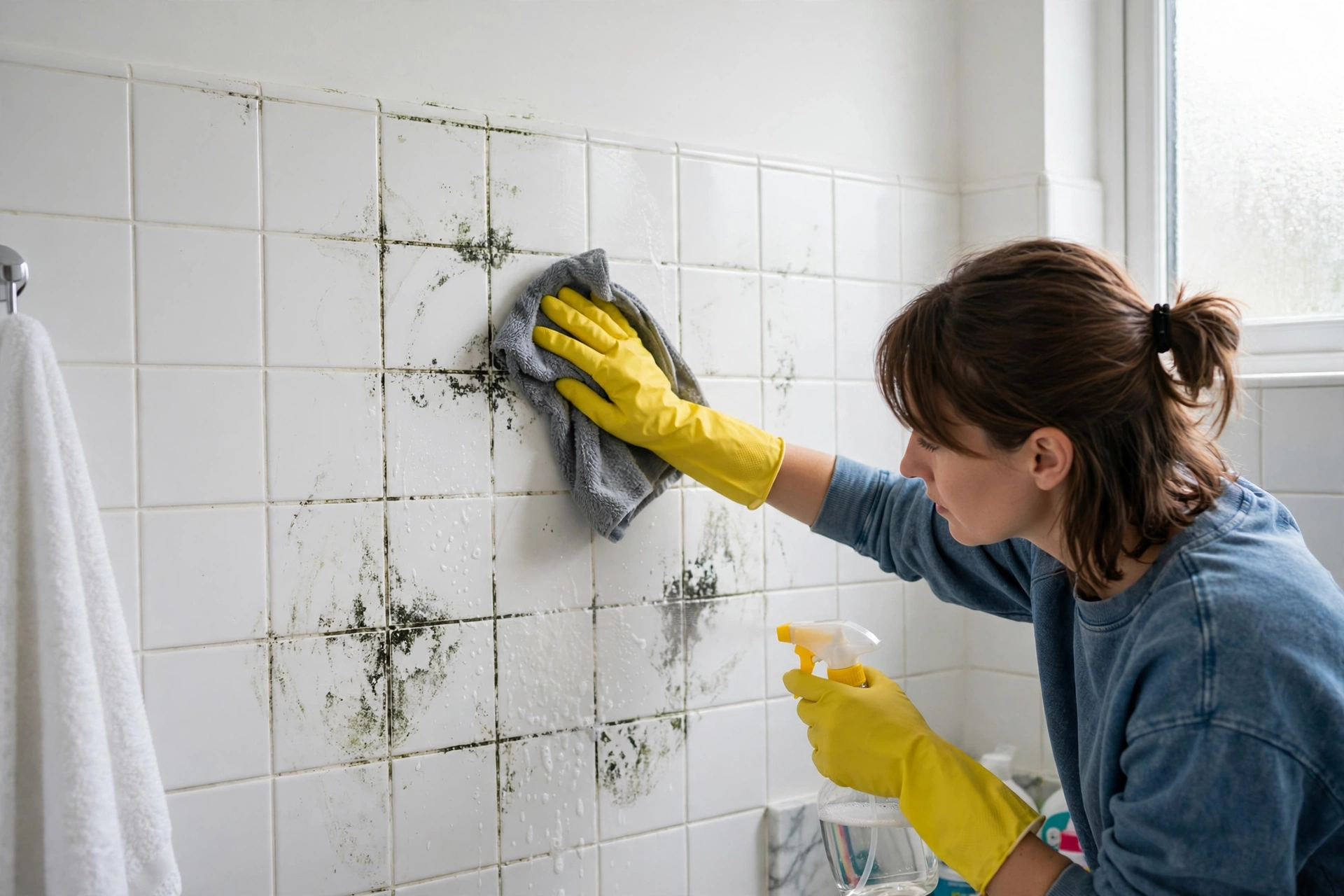
In addition, mould needs care first. Treat it with a fungicidal wash and let the wall dry fully. Next, seal the stain. Finally, finish with an anti-mould topcoat.
Knots, Woodwork and Cupboard Doors
Knots bleed resin through paint for years. A knot on a cupboard door or a pine shelf shows as a brown ring through coat after coat of emulsion. Shellac seals it: paint two coats over the knot, let the first dry, then paint the door.
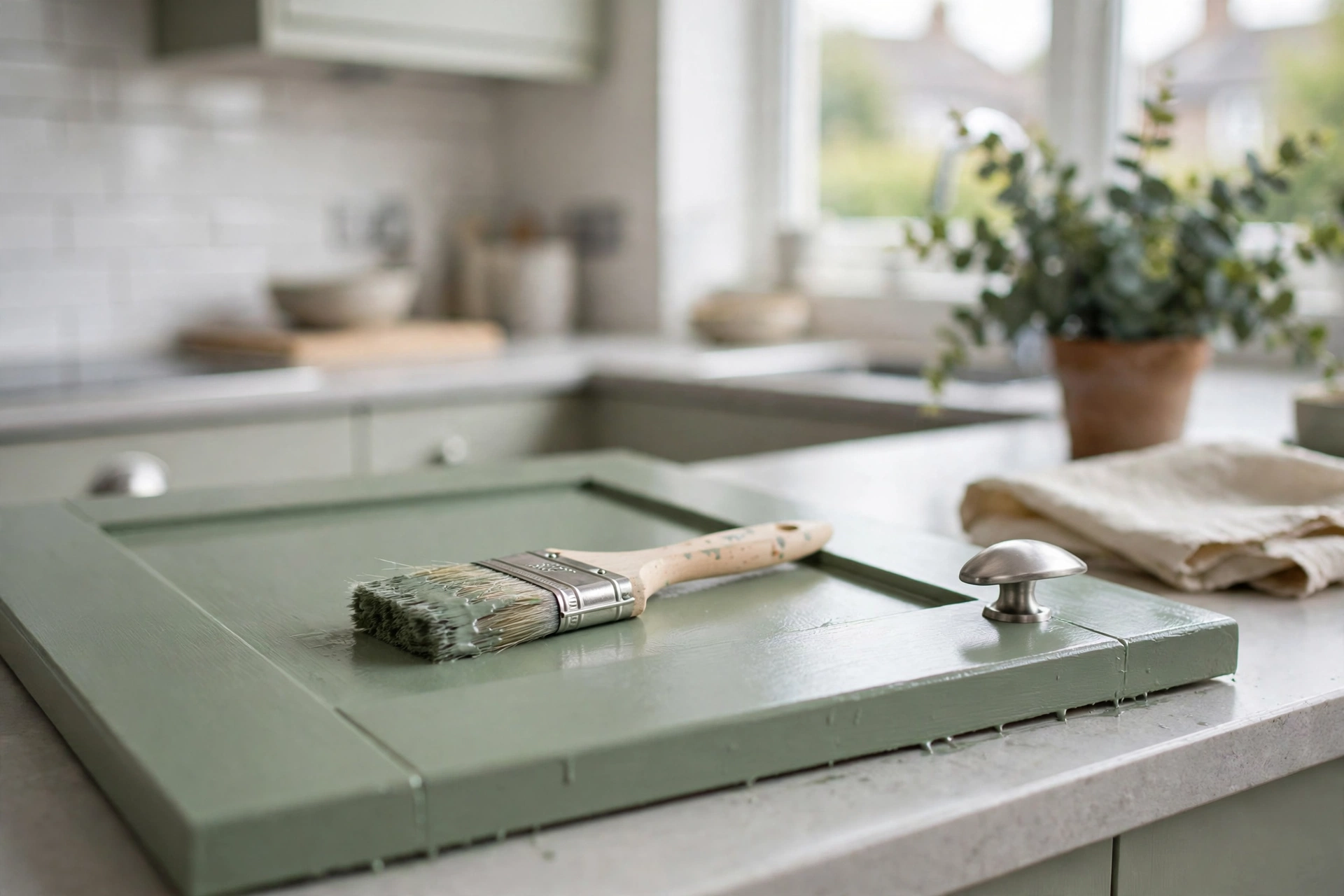
Similarly, cupboard doors take the same approach: seal each knot, then prime the full door before the topcoat. Our cupboard painting guide walks through the whole job for kitchen doors and wardrobes.
Stain block paint also suits bare wood trim, skirting and window frames. First, test a hidden patch on glossy paint, glass or plastic. However, it does not suit floors, where foot traffic wears the seal away.
How to Apply Stain Block Paint Step by Step
First, fix the cause. Mend the leak, clear the gutter or vent the room. Then let the surface dry fully: a blocker painted over damp will peel.
Next, clean the surface. Wash off grease with sugar soap and treat mould with a fungicidal wash. Then sand loose paint back to a firm edge. Wipe away dust and let the surface dry. New plaster needs a mist coat first: paint it, let it dry, then seal stains that show through.
Now stir the tin well. Then apply one thin coat with a brush or roller, working the paint into the stain. Let it dry fully, then check the stain in daylight. If it still shows, apply a second coat.
Finally, topcoat once the blocker feels hard. Most emulsions go over a dry blocker without trouble. In short, thin coats, full drying and the right topcoat give the longest-lasting seal. For ceilings, cut in the edges first, then roll the centre while the edges stay wet. Cover the floor well: shellac and oil types drip fast.
Drying Times and Topcoat Rules
| Type | Touch dry | Recoat | Topcoat |
|---|---|---|---|
| Shellac | 15–45 min | 45 min | 1–2 hrs |
| Oil-based | 2–4 hrs | 2–4 hrs | 1–2 hrs; 3 days for solvent |
| Water-based | 1–2 hrs | 2–4 hrs | 1–2 hrs; 3 days for solvent |
Drying time is not curing time: a coat can feel dry yet stay soft underneath. In fact, full cure takes around seven days for water-based types. Therefore, treat the wall gently for the first week.
How Much Do You Need?
In general, coverage runs at around 10 m² per litre, and about 12 m² per litre for water-based types. A 2.5 litre tin covers about 25 m², and a 5 litre tin covers about 50 m². Meanwhile, a 400 ml aerosol covers only about 2 m², so it suits patches, not rooms.
Therefore, work out the area first. Measure the wall or ceiling, then allow a second coat for severe stains. For example, a ceiling of 12 m² needs about 1.2 litres for one coat. A 2.5 litre tin covers two coats.
What Does Stain Block Paint Cost in the UK?
Prices below come from UK retailers checked on 25 November 2026, including VAT. In other words, treat them as ranges, not fixed quotes.
| Type | Sizes | Price | Per litre |
|---|---|---|---|
| Shellac | 1 L; 2.5 L | £25–£35 / £50–£70 | £25–£35 |
| Oil-based | 500 ml; 2.5 L | £12 / £31–£40 | £12–£16 |
| Water-based | 1 L; 2.5 L | £19–£29 / £37–£41 | £15–£20 |
| Aerosol | 400 ml | £7–£14 | £18–£35 |
| Small tins | 250 ml | £8–£13 | £32–£52 |
For example, a ceiling water stain of about 3 m² costs little. One 500 ml tin of oil-based blocker at about £12 covers it in one coat. A nicotine-stained bedroom of about 12 m² costs far more. Two coats of shellac need about 2.5 litres at £50–£70, plus two coats of emulsion. Rental flats with old nicotine are the classic case. As a result, the stain type sets the bill more than the room size does.
However, a stain blocker paint tin costs more per litre than ordinary emulsion. Yet it replaces a separate primer and stops repeat coats. Buy the smallest tin that covers the job.
When Stain Block Paint Is Not the Answer
However, stain block paint cannot fix a live problem. It seals a dry stain, not a leak, a damp wall or growing mould. Fix the source, dry the wall fully, and only then reach for the tin. A blocker painted over damp will peel, and the stain will return with it. On the other hand, it does not suit floors, areas that stay wet, or corroded metal, which needs a dedicated anti-corrosion primer. Do not apply it below 5°C or within 3°C of the dew point.
When the Fix Goes Wrong
For example, a pale stripe can show through the topcoat where you spot-primed, since the blocker changes the sheen above it. The fix is simple: give the whole wall or ceiling a full topcoat, not just the patch. Two topcoats hide the stripe better than one.
Next, a stain that grins through after one coat needs a second coat, left to dry fully first. A stain that returns months later means the cause never left: a leak, condensation or damp still feeds it. Therefore, fix the cause and seal it again. A water-based blocker on heavy nicotine fails the same way.
Mistakes to Avoid
First, painting over a stain before fixing the leak wastes the whole job. The stain comes back and the blocker peels with it. Fix the cause first, every time.
In addition, using one coat on a heavy stain is the next common error. Nicotine, tannin and smoke need two coats, so check the first coat in daylight before you topcoat. Picking a water-based blocker for heavy nicotine is a false saving: the stain bleeds through, and you buy shellac anyway.
Moreover, skipping ventilation with shellac or oil types leaves strong fumes in the room. Open the windows while you paint and for 48 hours after a large job. Water-based types need far less air, yet fresh air still speeds drying. Finally, painting in a cold room is the last trap. Below 5°C the film may never form properly, and the finish stays soft. Warm the room first, then paint.
FAQ
What is stain block paint?
Stain block paint is a heavily pigmented primer-sealer that locks stains behind a barrier so they cannot bleed through the topcoat. It suits water marks, nicotine, smoke, knots and grease. Ordinary paint cannot do this job. In fact, water-based stains dissolve in emulsion and show through again.
In short, pick the blocker by the stain, fix the cause first, and let the topcoat cure.



Leave a Reply