

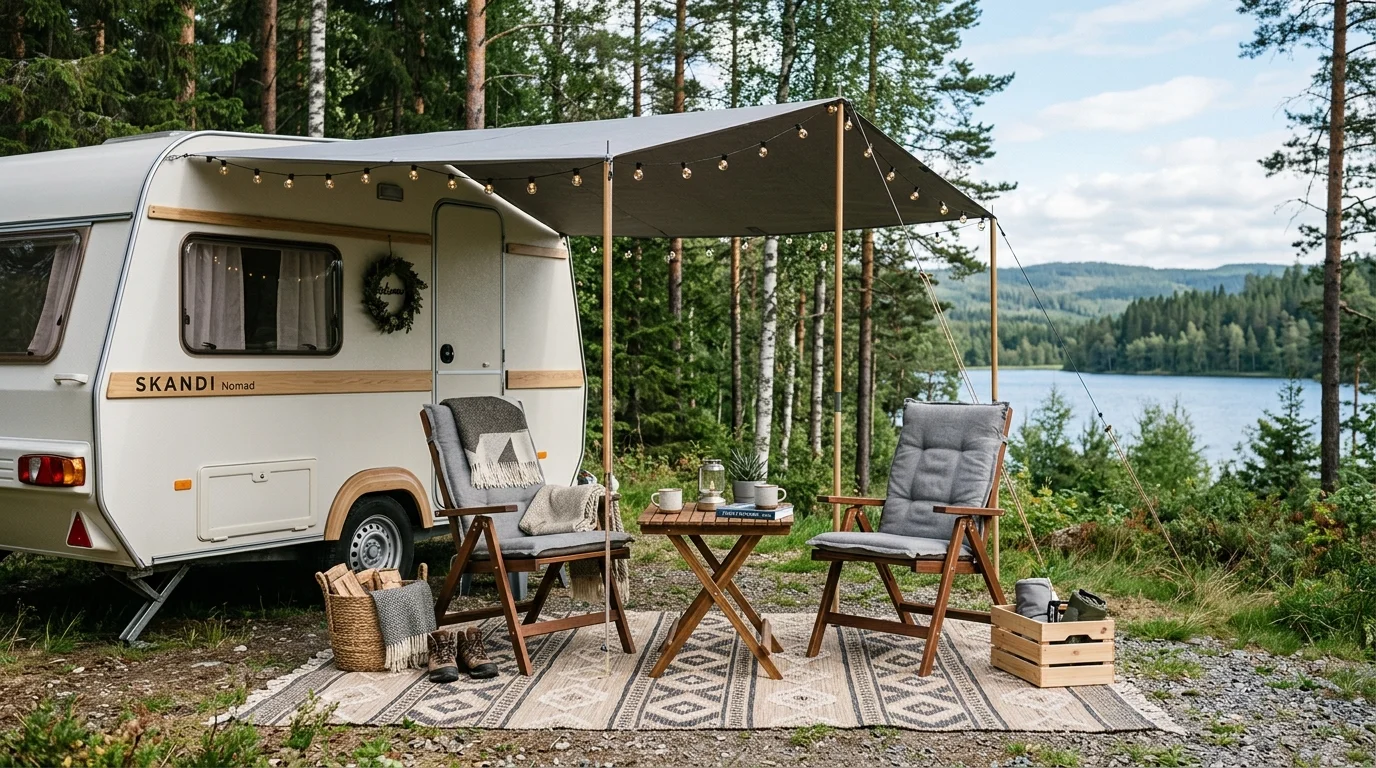
A comfortable outdoor space starts from the ground. Chairs, tables and shade matter, but the surface under your feet can change the whole experience. A markiseteppe helps create a cleaner, softer and more practical area under an awning, inside a fortelt, beside a caravan, near a motorhome or on a balcony. It keeps mud, sand and small stones away from the entrance, makes the sitting area feel more organized and gives your outdoor setup a warmer, more finished look.
This guide explains how to choose the right awning mat, what materials work best, which size you need, how to clean it and what features are worth paying for.
What Does the Term Mean?
The word markiseteppe combines the idea of a markise, meaning awning, with teppe, meaning carpet or rug. In practical outdoor and camping use, it usually means a ground mat or outdoor carpet placed under an awning, roll-out awning, caravan fortelt, tent, pergola, patio or balcony area. You may also see related terms such as teppe til markise, markise teppe, forteltteppe, teltteppe, campingteppe, markisematte, markiseduk, awning carpet, awning mat, camping mat, outdoor rug and patio mat. These terms are not always identical, but they often point to the same need: a durable, easy-clean and comfortable surface for outdoor living.
What Is It Used For?
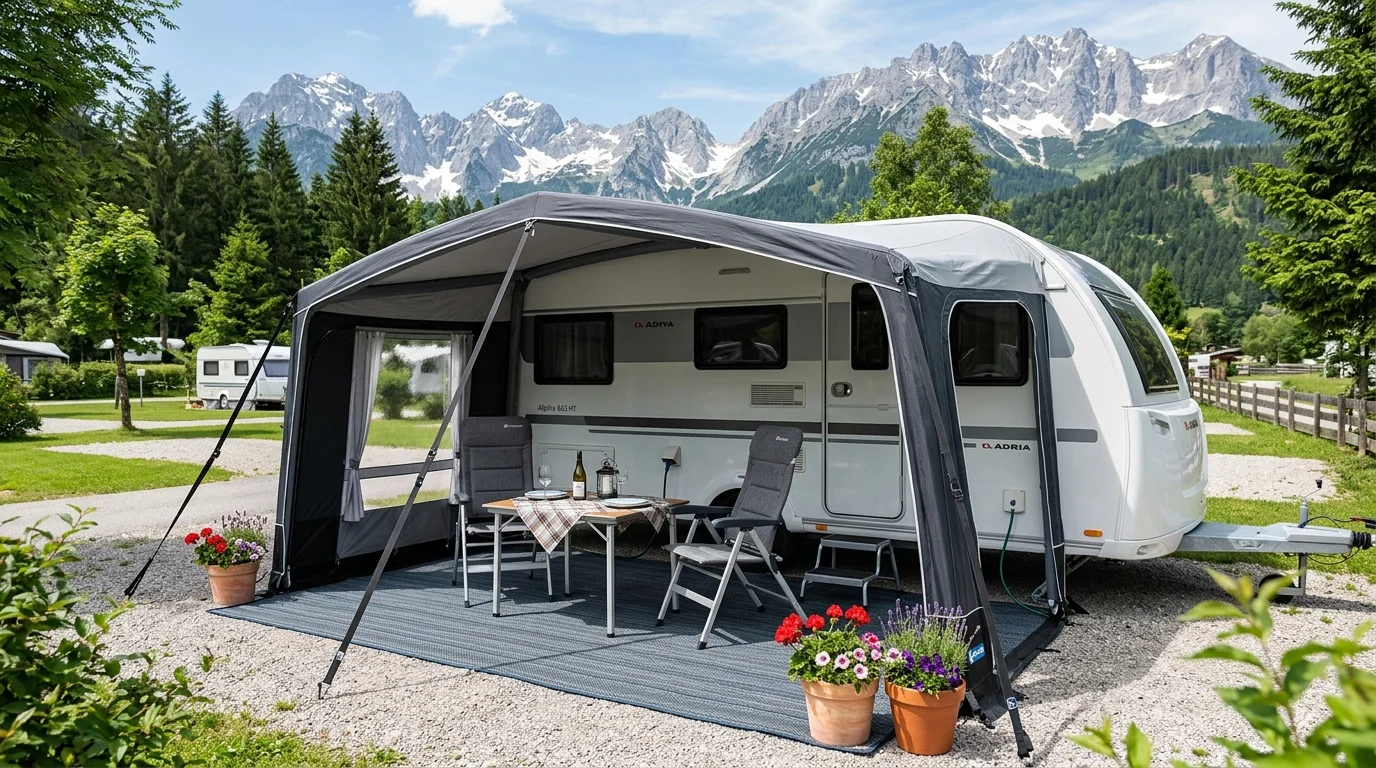
A markiseteppe is mainly used to make an outdoor area cleaner and more comfortable. Campers place it outside a caravan door, under a table and chairs, inside a fortelt or beside a bobil or van. It also works well as a balcony mat, patio mat or pergola mat when you want a softer surface under outdoor furniture. For camping families, it reduces the amount of dirt carried inside. For motorhome users, it creates a quick living area whenever they park. For seasonal campers, it helps make the pitch feel more like a small outdoor room.
Why It Is Better Than a Regular Outdoor Rug
A normal outdoor rug may look attractive, but it is not always designed for wet grass, gravel, frequent folding, campsite use, and changing weather. A proper awning mat is usually lighter, more breathable, faster drying and easier to rinse clean.
Many quality options are made from woven polypropylene or UV-resistant PP. This material is popular because it is lightweight, durable and often air permeable. It lets moisture and air pass through better than many ordinary rugs, which makes it useful on grass and damp ground.
Main Benefits for Camping and Outdoor Living
The first benefit is comfort. A good markiseteppe gives you a softer surface than gravel, asphalt or wet grass. It is more pleasant for bare feet and makes the sitting area feel calmer and cleaner.
The second benefit is cleanliness. Sand, mud and leaves are less likely to enter the caravan, bobil or tent when people step onto a mat before going inside. The third benefit is order. A defined floor area makes outdoor furniture look more arranged. It can turn a basic pitch into a practical space for eating, relaxing and spending time with family.
Possible Drawbacks to Consider
No outdoor carpet is perfect for every situation. A mat that is not breathable can trap moisture and may damage grass if left in place for too long. Very cheap mats can curl at the edges, fray quickly or lose shape after a few trips.
Dark colors can become hot in strong sun, while very light colors may show stains faster. Heavy-duty mats can last longer, but they are harder to carry and store. This is why the best choice depends on your surface, climate and travel style.
Which Type Should You Choose?
If you travel often with a motorhome or van, choose a lightweight option with a carry bag. It should be easy to roll out, shake clean and pack away.
For a caravan or seasonal camping pitch, you can choose something stronger with bound edges, reinforced corners, peg holes and better tear resistance. If you use a fortelt for many weeks at a time, durability matters more than compact packing size.
For a balcony, patio or terrace, design becomes more important. A grey, beige or patterned outdoor carpet can hide dirt while still making the area feel stylish.
Material Guide: Polypropylene, PVC and Woven Fabric
Material is one of the most important buying factors. A markiseteppe made from woven polypropylene is often a strong all round choice because it is light, breathable, water resistant and simple to clean. It is suitable for grass, gravel, campsite pitches and general outdoor use.
PVC based mats can feel more stable and water resistant, but they may not breathe as well. Woven fabric mats feel flexible and comfortable, while versions with nylon thread or reinforced edges may offer better long term strength.
When comparing products, look for terms such as breathable material, fast drying, UV resistant, air permeable, tear resistant and easy cleaning.
Best Surface Types: Grass, Gravel, Asphalt, Sand and Decking
On grass, choose a breathable mat that allows air and moisture to pass through. This helps reduce the risk of mold, bad smell, and damage to the lawn.
On gravel, choose a thicker and more durable weave. Small stones can wear down weak mats, so tear resistance is important.
On asphalt, comfort and heat are key. A soft surface helps reduce heat and gives a better walking area.
On sand, a lightweight woven mat is useful because you can shake it clean easily. On wooden decking or a balcony, choose a fast drying mat that does not scratch the surface.
Size Guide: How to Pick the Right Fit
Choosing the right size for a markiseteppe is essential. Start by measuring the width of your awning, caravan wall, balcony or seating area. Then measure the depth from the wall or vehicle outward to the space you want to cover.
Common sizes include 2.5 x 3 m, 2.5 x 4 m, 2.5 x 5 m and 250 cm depth options. A small balcony may only need a narrow mat, while a family camping pitch may need a larger outdoor carpet under the table, chairs and storage boxes.
Leave a little clearance near doors, steps and high traffic areas. If the mat catches under a door or curls near the entrance, it can become annoying or unsafe.
When Custom Size Makes Sense
A custom size can be useful if your awning is unusual, your balcony is narrow or your seasonal pitch has a specific layout. It can also help when you want a clean edge-to-edge look without overlap.
However, standard sizes are often enough for most campers. Before choosing a custom option, compare the cost with a ready-made mat and check whether the difference is worth it.
Features That Show Good Quality
A strong marquisette tape should have neat finishing and practical details. Look for bound edges, reinforced corners, peg holes, strong weave, double-sided design, UV resistance, quick-drying structure, and a practical carry bag.
Peg holes make it easier to anchor the mat in the wind. Bound edges reduce fraying. A double-sided surface can extend use because you can flip the mat when one side becomes dirty. A carry bag makes storage and transport much easier.
How to Lay It Correctly
Clear the ground before placing the mat. Remove sharp stones, sticks, and objects that could damage the material. Roll it out flat and align it with your awning, entrance or furniture layout. Check that doors open smoothly and that steps are not blocked. If the area is windy, secure the corners with low-profile pegs or flat anchors. Avoid placing tall pegs in walking areas because they can become trip hazards.
Safety Tips for Edges and Slippery Areas
A curled edge can cause people to trip, especially children, older visitors and pets. Always flatten the mat before use. After rain or strong wind, check whether it has moved. If the surface becomes slippery, sweep away wet leaves, mud or sand. Place heavier furniture on stable areas to help keep the carpet in position, but avoid dragging sharp chair legs across the weave.
How to Clean the Mat Without Damaging It
Cleaning is usually simple. Shake off loose dirt, sweep the surface, or rinse it with water. For stains, use mild soap and lukewarm water. Avoid harsh chemicals unless the product instructions clearly allow them. After washing, let the mat dry fully before folding or storing it. Packing it while damp can create a bad smell and mold and mildew. Regular cleaning also helps the color and texture last longer.
Maintenance During the Camping Season
Check the edges and corners from time to time. If you notice fraying, deal with it early before it spreads. After heavy rain, lift the mat briefly so moisture underneath can escape. If your mat is double-sided, flip it occasionally for even wear. Remove sand, leaves, and soil often, especially if it stays outside for several weeks.
Winter Storage
Before winter storage, make sure the mat is clean and completely dry. Roll or fold it carefully and place it in the carry bag if one is included. Store it in a dry, ventilated place. Avoid damp sheds or closed plastic bags if moisture is still present. Before the next season, open it and check for smell, stains, or damage.
Weather Performance: Sun, Rain, Wind and Moisture
Sun can fade weak materials, so UV resistance is important for long-term use. Rain is easier to handle if the mat dries quickly and does not hold too much water. Wind requires proper anchoring, especially on open campsites. Moisture is often the biggest challenge. A breathable outdoor mat helps, but drying and storing it correctly are just as important.
Style and Design Tips
Color matters for both appearance and maintenance. Grey, beige, and muted patterns hide dirt well. Light colors can brighten shaded areas, while darker shades can create a modern look. Match the mat with your awning fabric, camping chairs, cushions and outdoor table. A simple pattern can make the whole space feel more finished without looking too busy.
Sustainability and Long-Term Value
The most sustainable choice is often the product that lasts longer. A cheap mat that needs replacing every season can cost more over time and create more waste. Choose quality, clean it properly and store it well. If you use it on grass, choose a breathable option to reduce damage to the ground.
What a Best in Test Comparison Should Include
When people search for markiseteppe best in test, they usually want help choosing safely. A useful comparison should consider material, size options, weight, comfort, UV resistance, breathability, cleaning, edge quality, anchoring, price and customer reviews. The best product is not always the most expensive one. It is the one that fits your surface, weather, travel habits and space.
Step by Step Buying Guide
First, decide where you will use the mat: caravan, motorhome, van, tent, fortelt, balcony, patio or terrace. Next, measure the area carefully. Then choose a material that suits the surface and climate. Check for UV-resistant fabric, breathable structure, water resistance, easy cleaning, strong edges and a carry bag. Finally, compare price, size, product reviews, delivery time, and whether the item is in stock.
Quick Summary:
For caravans, choose a wider and stronger mat with good edge finishing. For motorhomes and vans, choose a lightweight option that packs easily. For grass, choose breathable material. For gravel, choose extra durability. For balconies and patios, focus on style, drainage and quick drying. A good product should combine the right size, comfortable feel, easy maintenance and strong material.
FAQ
Is forteltteppe the same thing?
Not always. Forteltteppe usually means a carpet for an awning room or fortelt, while teltteppe is often used for tent areas. In real use, these terms overlap a lot.
Can it be used on grass?
Yes, but choose a breathable and air-permeable mat. This helps reduce moisture buildup and protects the grass better.
Is it waterproof?
Some mats are water resistant, while others are mainly fast drying. For camping, quick drying and breathability are often more useful than full waterproofing.
How do I choose the correct size?
Measure the width and depth of the area under your awning or seating space. Remember to allow room for doors, steps, chairs, tables and walkways.
How long does it last?
The lifespan depends on material, UV protection, cleaning, storage and how often it is used. A quality mat can last for several seasons with proper care.
Conclusion
The right mat can make your outdoor space cleaner, safer and more comfortable. Focus on size, material, breathability, UV resistance, edge quality and easy maintenance. When the mat suits your surface and camping style, it becomes more than a simple floor covering. It becomes part of a better outdoor living experience.

Leave a Reply